Kubota · Compact

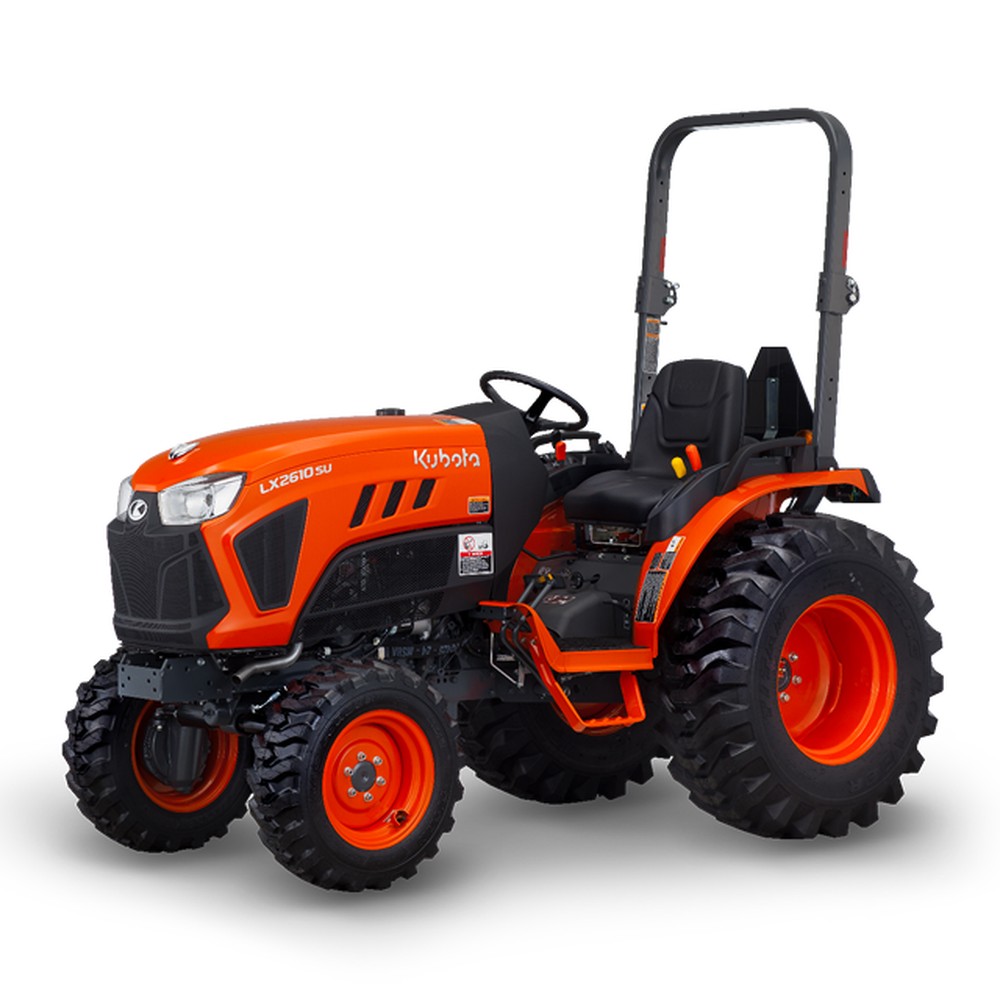
Kubota LX2610

~$16,450

series starting price

No longer in production

No longer built. The maker sells the Kubota LX2620 in its place. See the Kubota LX2620 The specs and owner reports below still describe this machine, and used ones trade steadily — but a dealer cannot order you a new one.

Kubota LX2610
Compact
24.8 hp engine · 19.5 PTO−21% to the shaft

Built as the answer to Deere's 2025R: mid-PTO for a belly mower, a full-size operator station and more loader than a B-series, for a few thousand more. The LX2620 replaced it and Kubota no longer publishes a price for it.

Engine
24.8 hp
PTO
19.5 hp
Loader lift
1,067 lbs
3-pt lift
1,676 lbs

1.19 PTO hp per $1,000 of list price

As published by the maker

Specifications

Size class
Compact
Transmission
Hydrostatic
Engine
Kubota
Engine hp
24.8 hp
PTO hp
19.5 hp
Drive
4WD
Loader lift
1,067 lbs
Three-point lift
1,676 lbs
Hydraulic flow
8.7 GPM
Fuel tank
8.2 gal
Weight
1,786 lbs
Warranty
6 yr / 2000 hr powertrain
4WD
Yes
Cab
Open station
Turbo
No
Cruise control
No

On the price: The maker publishes one starting price for this series rather than a figure per model, and this is the cheapest model in it.

Lift figures are the maker's and are quoted at whichever point the maker chose; the about page explains why two loaders with the same number do not lift the same pallet.

Comes with

4WDHydrostaticFront LoaderPower SteeringDiesel

From owner discussion and long-term write-ups

What owners say

What they like

  • The LA526 loader lifts 1,067 lb at the pin, more than any B-series sub-compact can manage, on a chassis that still takes a belly mower
  • It's one of the few compacts with a mid-PTO option, so it can run a belly mower deck for real finish mowing plus heavy loader work
  • The operator station is more refined and comfortable than the Standard L, with a better seat and layout
  • 8.7 GPM hydraulics make loader and implement action noticeably quicker than the L2501's system
  • It stays under 25 HP so it avoids the DPF regen hassle while still delivering strong hydraulic performance

What they complain about

  • Only 24.8 HP with 19.5 PTO HP, so despite the great loader lift it can feel underpowered on the PTO and in heavy tillage
  • It's priced well above the L2501 for the same engine HP - you're paying for lift, comfort, and the mid-PTO
  • Some owners note the front end can feel light and the rear needs ballast when lifting heavy loads with that big loader
  • The 3-point lift, while decent, is lower than the loader capacity, creating a mismatch for heavy rear implements
  • No cruise control standard, which owners doing lots of mowing miss
  • At this price it competes with 30+ HP compacts that offer more engine power for similar money
  • It's lighter than the Standard L, so it doesn't pull or plant itself quite as well in the dirt

Gathered from owner reports

What owners report

The loader is what owners rave about and also what they break. On the praise side: one moves whole tree sections around his property like it is nothing, another lifts round bales and big square bales on 26 acres, and a third stacks firewood rounds two high on end and calls it nimble with plenty of capacity. On the other side, two owners independently bent both bucket tilt cylinders using a stump bucket after only two or three outings, because the stump bucket is heavier and longer than a standard bucket and offers far more leverage than the front end is built to absorb. Both had the cylinders replaced and stopped using the attachment.

The other consistent theme is that the LX is tall and narrow where the L is wide and planted. Owners comparing them directly describe the L as considerably more stable and more robustly built — one who went back to the dealer to look again found the L's loader, cylinders and roll bar all visibly beefier, though he preferred the LX's seat until he noticed it would not slide back far enough. Owners on hilly ground run wheel spacers and filled tires as standard practice, and report the front end going light climbing a steep grade even with the loader fitted. One owner running a post-hole digger repeatedly turned around to find the loader had lifted his front wheels clear of the ground while he was concentrating behind him. Several owners chose the LX deliberately for being lighter — to protect finished lawn and soft soil — and are happy with the trade.

The mid-mount mower is where this machine collects its harshest reviews. One household describes the deck as far worse to fit, remove and service than the deck on a 1980s garden tractor they now regret selling, and the same owner says the LX2610 was a waste of money because it will not even run a rototiller as wide as its own footprint on 18 PTO horsepower. Against that, an owner who moved up from a smaller Kubota says the LX mows better because the deck rides on the ground and you sit higher. On the LX3310 question owners are one-sided: stay with the 2610, because the bigger engine brings no extra loader capacity and its emissions system has a reputation for needing to be worked hard to stay healthy.

What comes up favourably

  • The lift genuinely impresses owners for the size of machine — one moves large tree sections around like nothing, another handles round and big square bales on 26 acres, and a third stacks firewood rounds two high while still calling it nimble.
  • A grapple or brush grabber on a third function is the attachment owners name as their favourite by a wide margin, with the brush hog a consistent second; owners on wooded acreage describe small trees and vines simply disappearing.
  • Owners deliberately choosing lighter get what they wanted: several picked the LX over an L specifically to keep working around a finished yard and soft soil, and one makes the point that his ground benefits from not carrying the bigger machine.
  • Dealer and warranty experiences are strong in what owners write — one owner had a faulty third-function spring fixed by a dealer who drove an hour, collected the tractor, repaired it and returned it in two days at no cost, and another found Kubota's own insurance covered an expensive self-inflicted engine-block injury without argument.
  • The stump grinder on the three-point works well on this machine: an owner on 55 wooded acres has taken down more than twenty stumps, the largest near 24 inches, at roughly 15 to 20 minutes each and has not yet needed to sharpen it.

What comes up as a complaint

  • Two owners independently bent both bucket tilt cylinders using a stump bucket within their first few uses. The explanation they give is the same: a stump bucket is heavier and longer than the standard bucket and hands you more leverage than the front end will take. Both stopped using the attachment afterwards.
  • It is taller and narrower than an L, and owners who have compared them describe the L as considerably more stable and more solidly built — beefier loader, cylinders and roll bar. Owners on hills treat wheel spacers and filled tires as required rather than optional.
  • The front end goes light climbing steep ground even with the loader on, and one owner running a post-hole digger repeatedly looked up to find the loader had lifted the front wheels clear off the ground while his attention was behind him.
  • The mid-mount deck attracts the sharpest criticism in the file: one household calls it far worse to fit, remove and service than the deck on a 1980s garden tractor they now wish they had kept, and it is bad enough that the owner says he would have argued against the purchase.
  • PTO horsepower is the ceiling, and owners feel it: one says it will not run a rototiller as wide as the tractor's own footprint, another with eight acres wants more for his wood chipper, and one clearing 1,000 feet of drive with a front blower wishes for the 35-horsepower machine in heavy snow.
  • Ergonomics annoy taller owners: the seat does not slide back far enough and owners describe feeling cramped, the loader controls are jerky enough to be knocked with a knee and awkward to lock and unlock, the fuel cap is finicky, and the hydrostatic whine put at least one buyer off in the showroom.
  • Even on industrial tires it is hard on wet grass — an owner who moved up from a smaller machine with turf tires says the LX marks his yard when it is damp, and accepts it only because his lawn is not a showpiece.
  • Owners note a striking number of low-hour examples on the used market and wonder aloud whether buyers went too small, which is worth weighing against how much you want to spend on the lighter frame.

Questions worth asking

LX2610 or LX3310?
Owners are unusually one-sided: stay with the 2610 unless you specifically need the PTO horsepower, because there is no gain in loader capacity — one owner says his dealer told him not to even consider it. The other reason owners give is the 3310's emissions system, which has a reputation for being finicky and wanting to be worked hard; a long-time diesel technician explains that residential duty cycles of short light jobs are exactly what such systems cope with worst. If you genuinely need more, owners point at the newer LX generation or an L3560.
LX2610 or an L-series?
Width and weight are the real difference. Owners describe the LX as taller and narrower and the L as noticeably more stable, and one who compared them side by side at a dealer found the L's loader, cylinders and roll bar all visibly heavier duty. The L's seat is less comfortable but slides back further. Owners choose the LX deliberately when they want to work around a finished lawn or soft ground, and choose the L when they have hills or want a machine that shrugs off abuse.
Can it handle hills?
With preparation, and with respect. Owners on hilly ground run wheel spacers and filled tires as a matter of course. Even so, owners report the front getting light climbing steep grades and the machine feeling easier to tip than the lower tractors they came from — one notes it is noticeably better with the loader off. An owner on hilly East Tennessee ground says it works for about 95% of what he does and that he can feel it struggling on the steepest parts.
Is the mid-mount mower worth having?
It is the most contested thing about this tractor. The complaint is about the deck rather than the cut: one household found it far harder to install, remove and service than the deck on the 1980s garden tractor they replaced, to the point of regretting the whole purchase. The defence comes from an owner who moved up from a smaller Kubota and finds the LX mows better because the deck rides on the ground and the seating position is higher. Several owners keep a commercial zero-turn instead and use the tractor for everything else.
What breaks on an LX2610?
The front end, if you overreach with it. The clearest pattern is bent bucket tilt cylinders from using a stump bucket, which two owners hit within their first few uses — the attachment is heavier, longer and gives more leverage than the loader is built for. Beyond that the reports are scattered: a failed fuel pressure shut-off that had one machine towed out of a field, a slow front tire leak cured with tubes, and a faulty third-function spring.
Can I get a discount, and what should it cost?
More than the reputation suggests. One buyer in central Indiana — a brand-new customer — got roughly 14% off list on a cab machine with loader, filled industrial tires, third function, grill guard, quick hitch, rotary cutter and box blade. Another paid just over $23,000 out the door for an open-station machine with loader, bucket, box scraper, third function and filled rears. Owners also note prices soften on a series once it has been superseded, so it is worth asking what is sitting on the lot.

Summarised from public owner discussion, not from testing. Nothing here was measured by this site, and a report that recurs is not the same as a defect rate.

Cross-shopped against

Line the Kubota LX2610 up

Same brand or same size, nearest in price

Related tractors

More from Kubota →
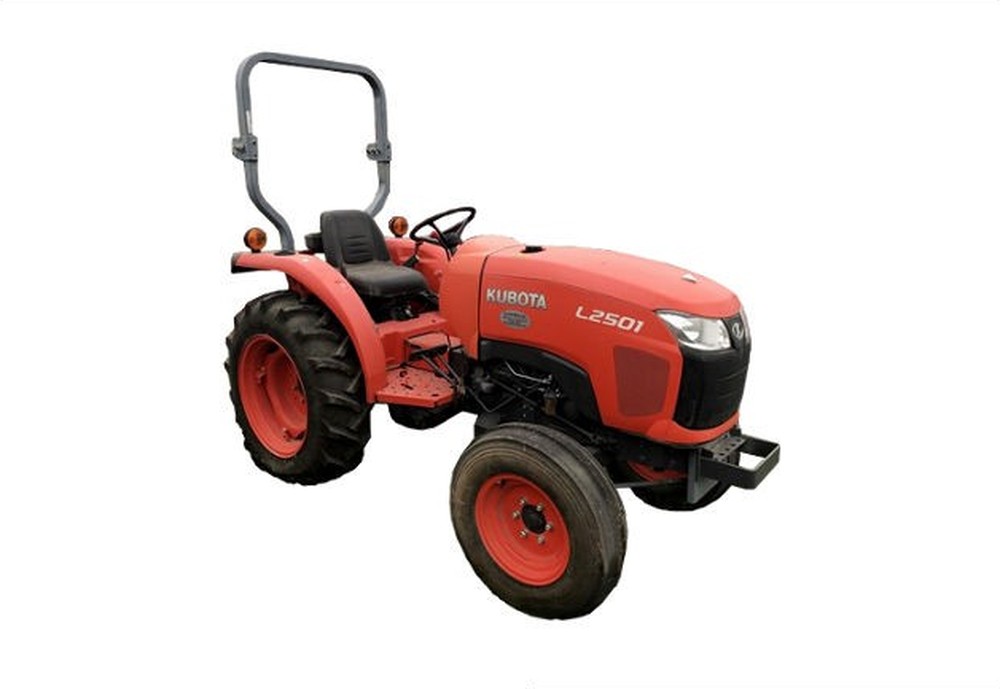
Kubota L2501
~$15,541series starting price
CompactNo longer built

Kubota

Kubota L2501

24.8 hp engine · 20.5 PTO−17% to the shaft
Loader
1,131 lbs
3-pt
1,389 lbs
Trans
Gear
Drive
4WD

Deliberately rated at 24.8 hp to sit under the 25 hp emissions line, so it carries no DPF and never stops to regenerate. Kubota replaced it with the L2502 and no longer lists or prices it; the no-DPF trick is the reason used ones still move.

Spec sheet & owner notes
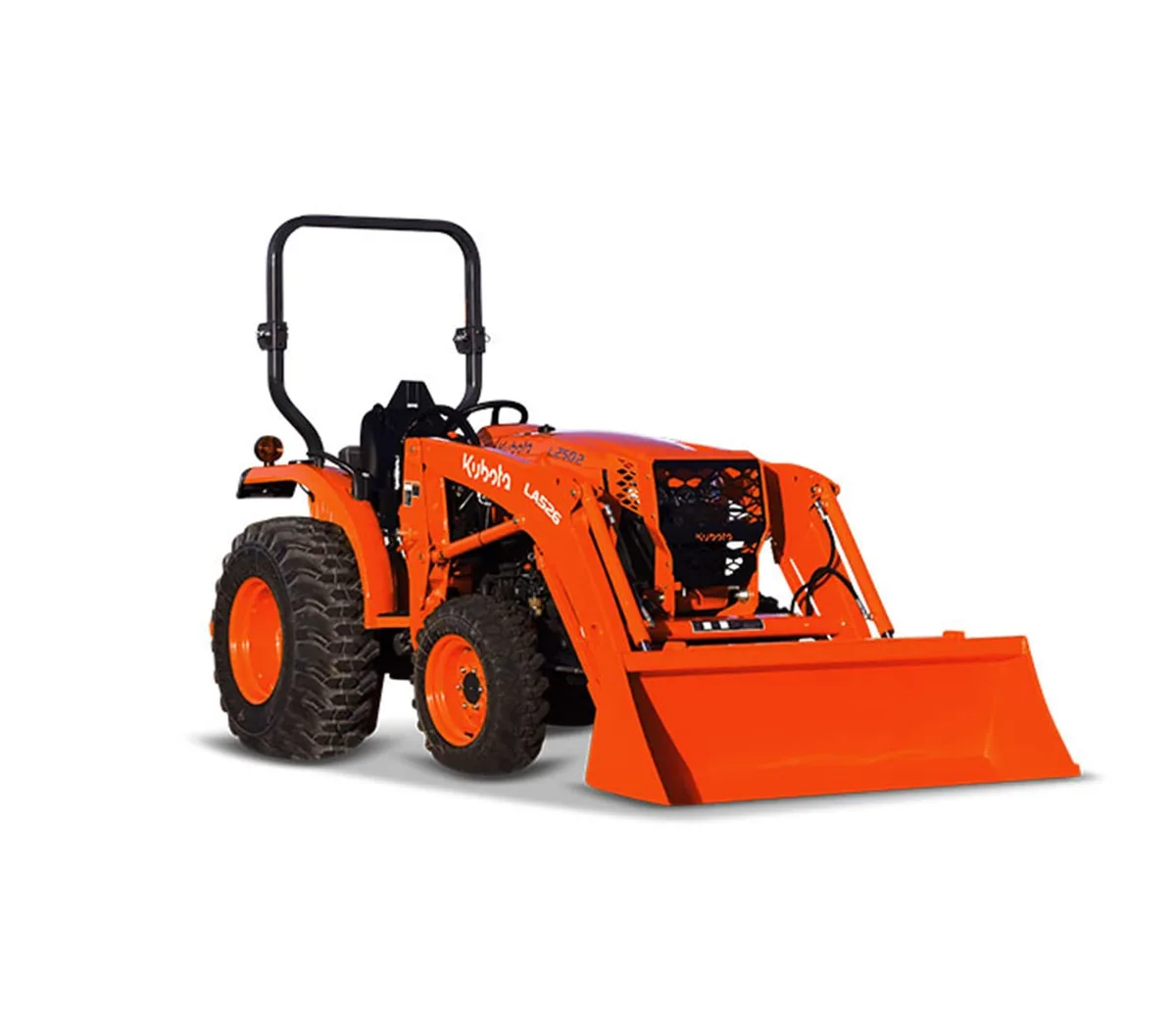
Kubota L2502
~$17,449MSRP, base build
Compact

Kubota

Kubota L2502

23.3 hp engine · 19.8 PTO−15% to the shaft
Loader
1,446 lbs
3-pt
1,874 lbs
Trans
Gear
Drive
4WD

Replaces the L2501 at the bottom of Kubota's Standard L range, now rated 23.3 gross hp where the older machine was rated 24.8. Same cast frame, all-metal hood and Kubota-built LA526 loader; the 8F/8R synchronised shuttle is the base build and a three-range HST is the alternative.

Spec sheet & owner notes
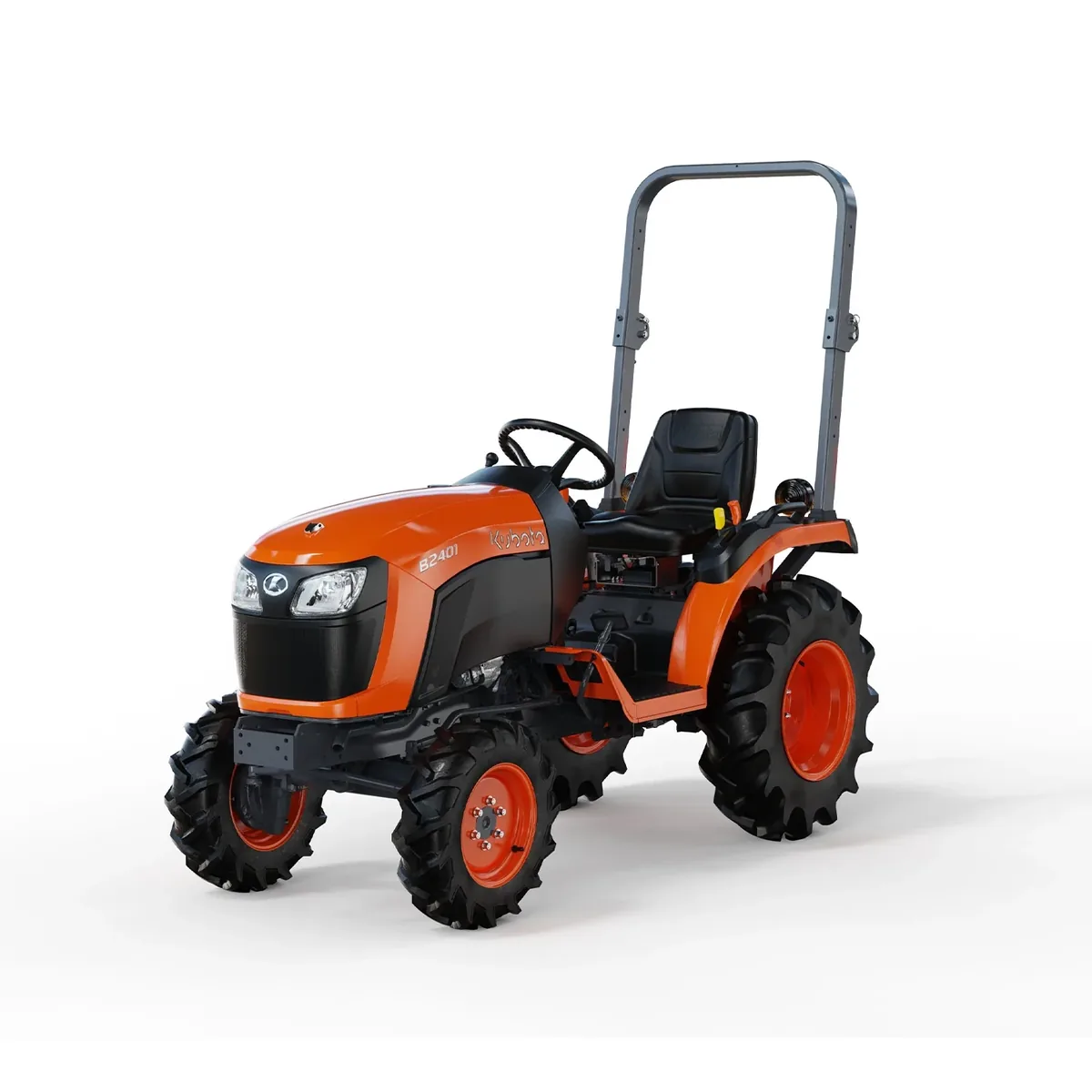
Kubota B2401
~$15,230MSRP, base build
Compact

Kubota

Kubota B2401

21.9 hp engine · 19.2 PTO−12% to the shaft
Loader
1,175 lbs
3-pt
1,290 lbs
Trans
Gear
Drive
4WD

Gear-drive value model of the B01 range and the cheapest tractor Kubota builds on a full B-series frame. A 9F/3R gear box replaces the hydrostatic, the engine grows to 68.5 cu in, and the price lands about $3,600 under the less powerful B2301HSD beside it.

Spec sheet & owner notes