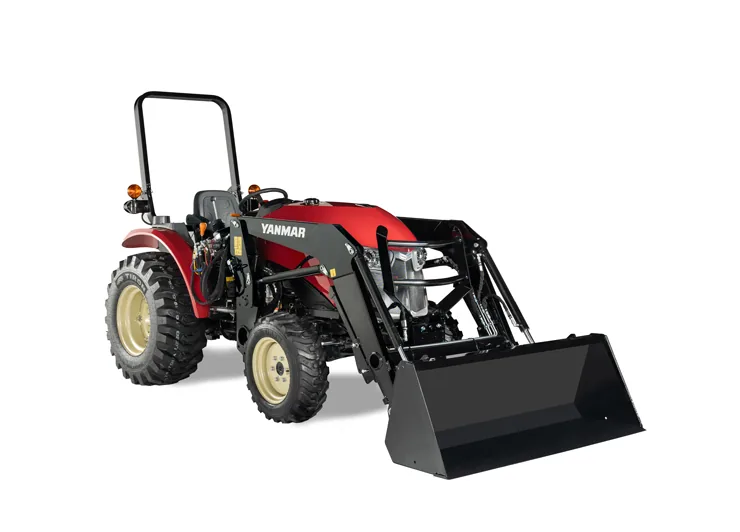
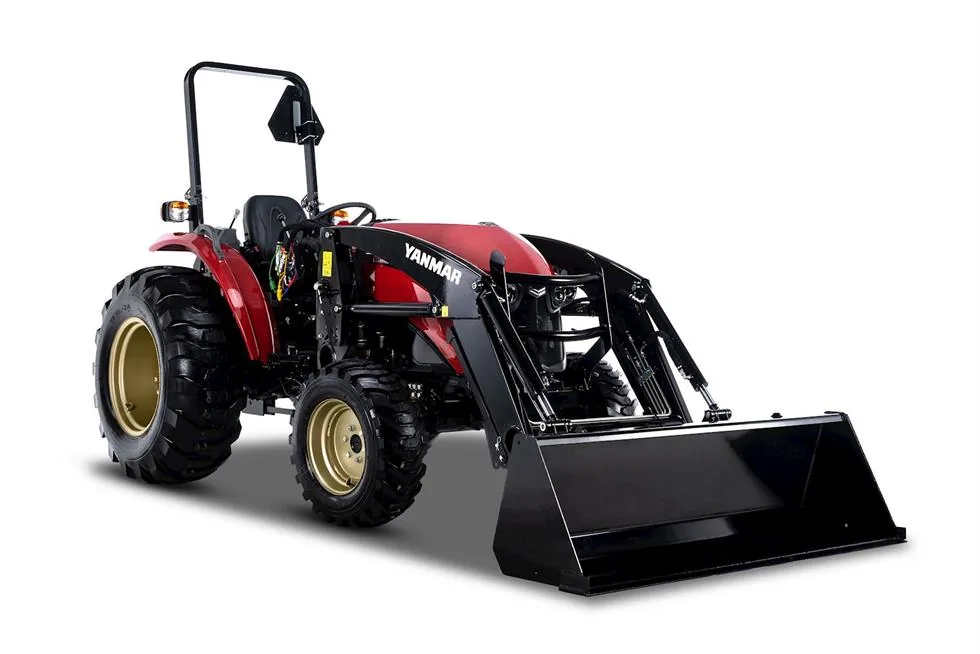
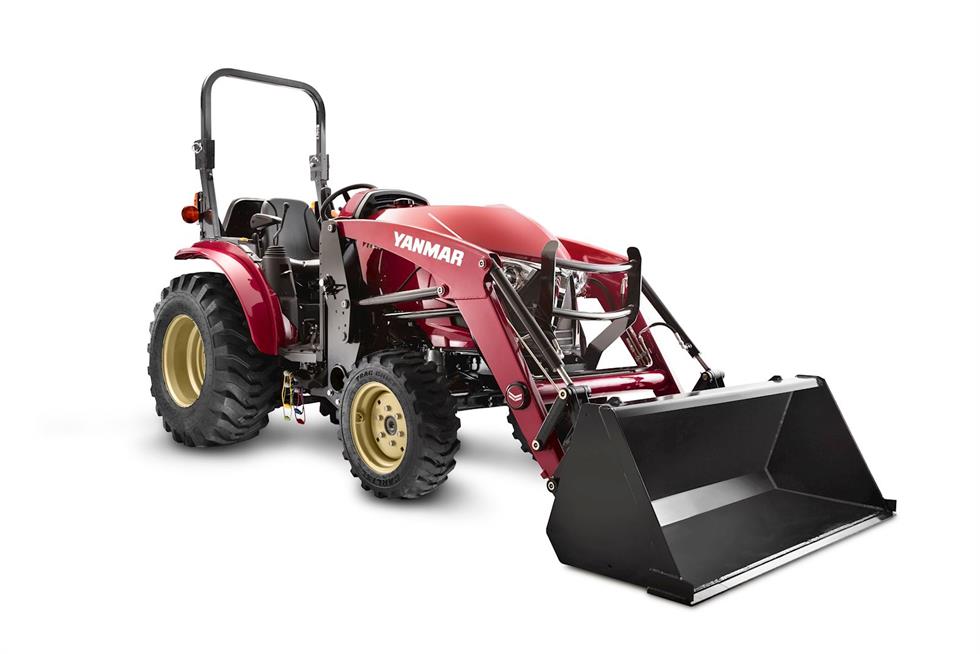
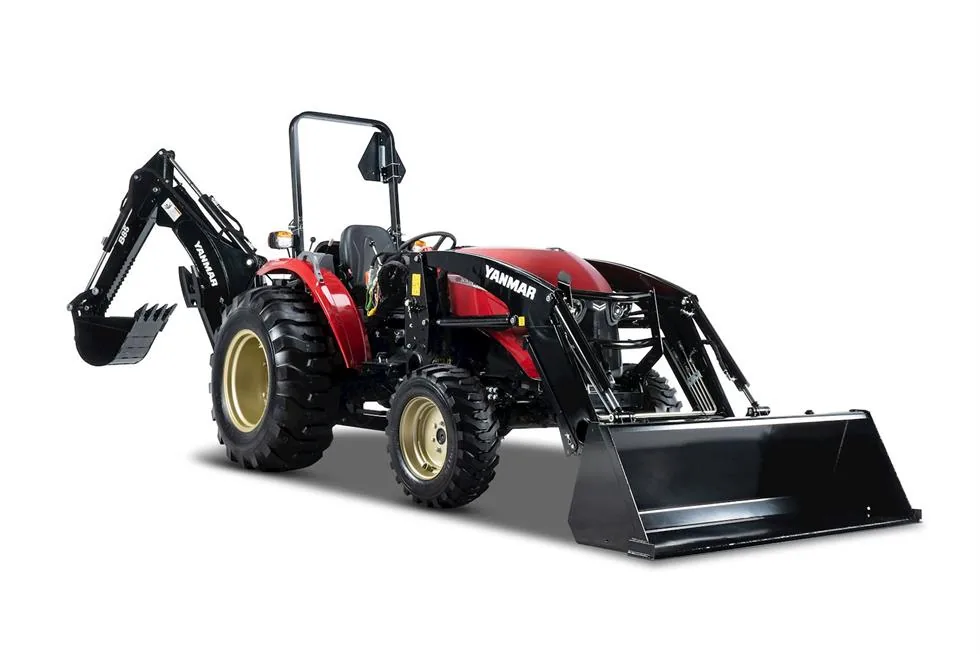
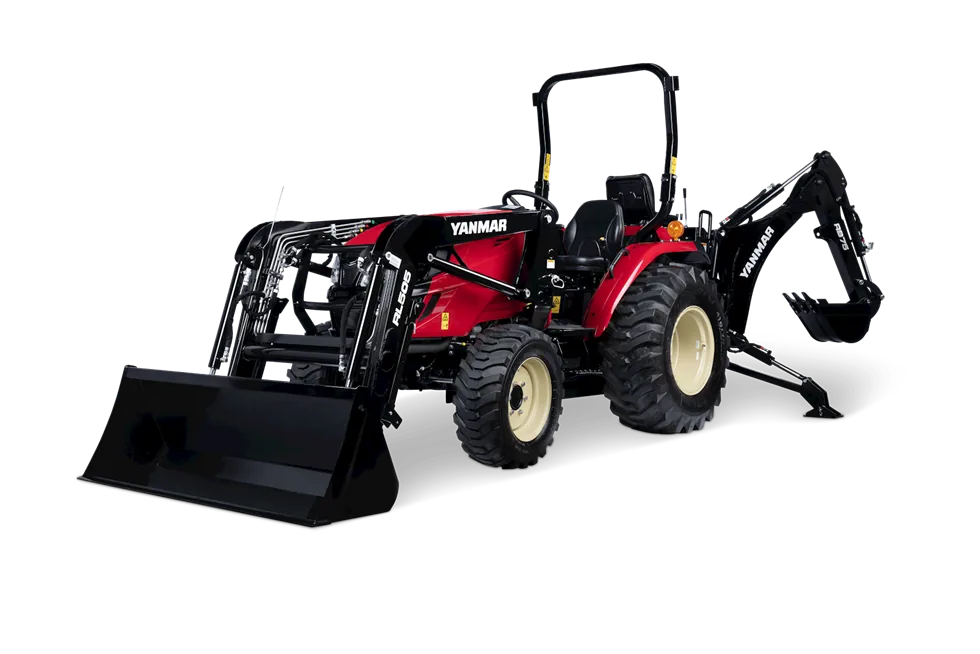
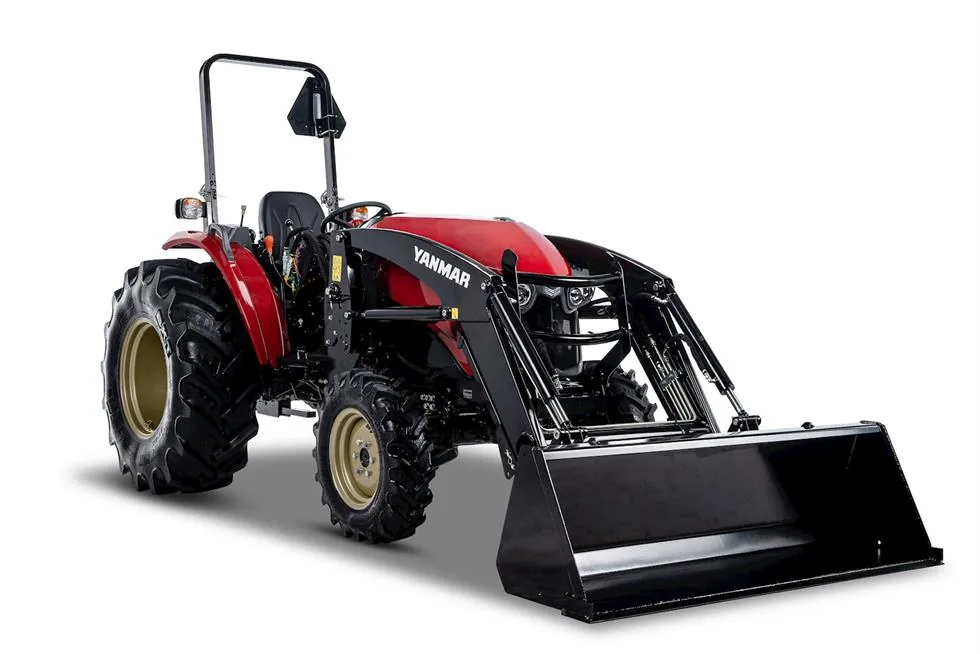
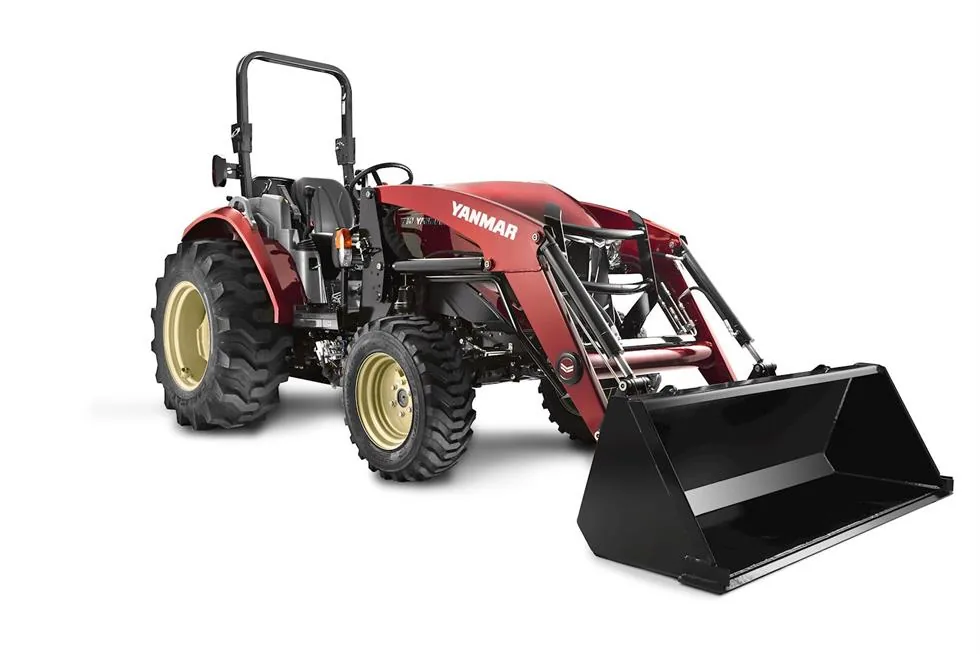
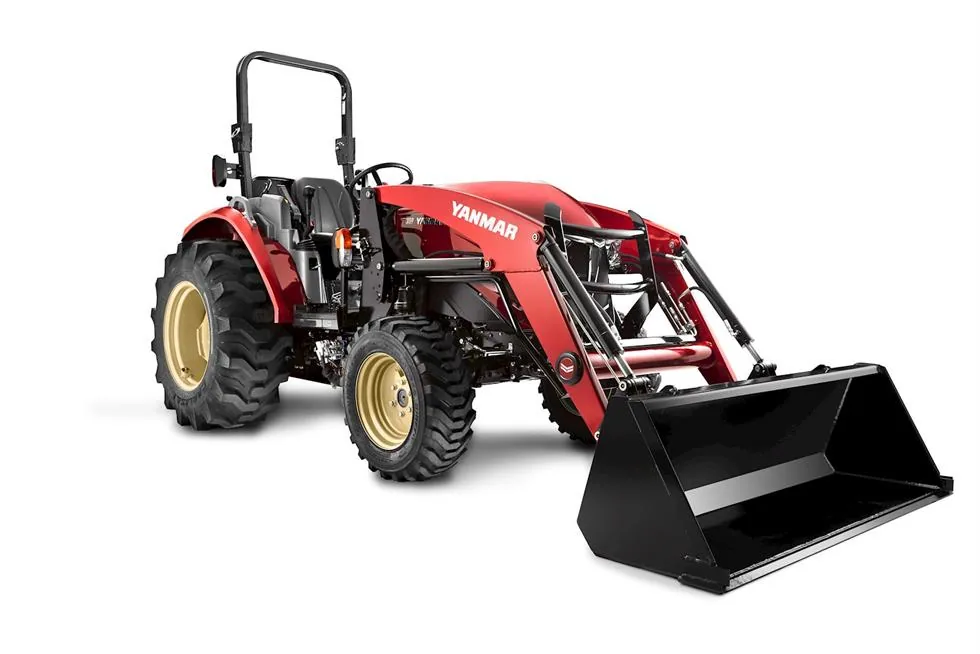
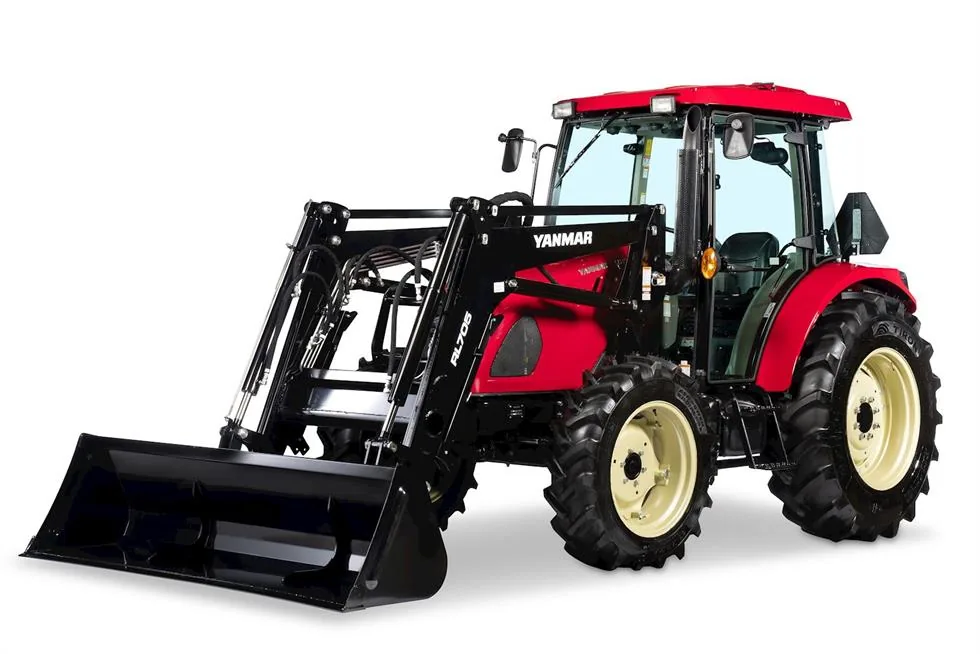
For decades plenty of American owners ran a Yanmar without the name on the hood. Yanmar began building utility tractor models for John Deere in the early 1980s and still supplies the engines in Deere's compact tractors; from 2006 it also sold compacts with MTD under the Cub Cadet Yanmar name, an arrangement that ended in 2011 and left Yanmar America selling under its own badge. The tractors on this page are the result: mostly Yanmar's own designs and diesels (the SM475 is the exception, with a Deutz), with the SA sub-compacts assembled at its Adairsville, Georgia plant.
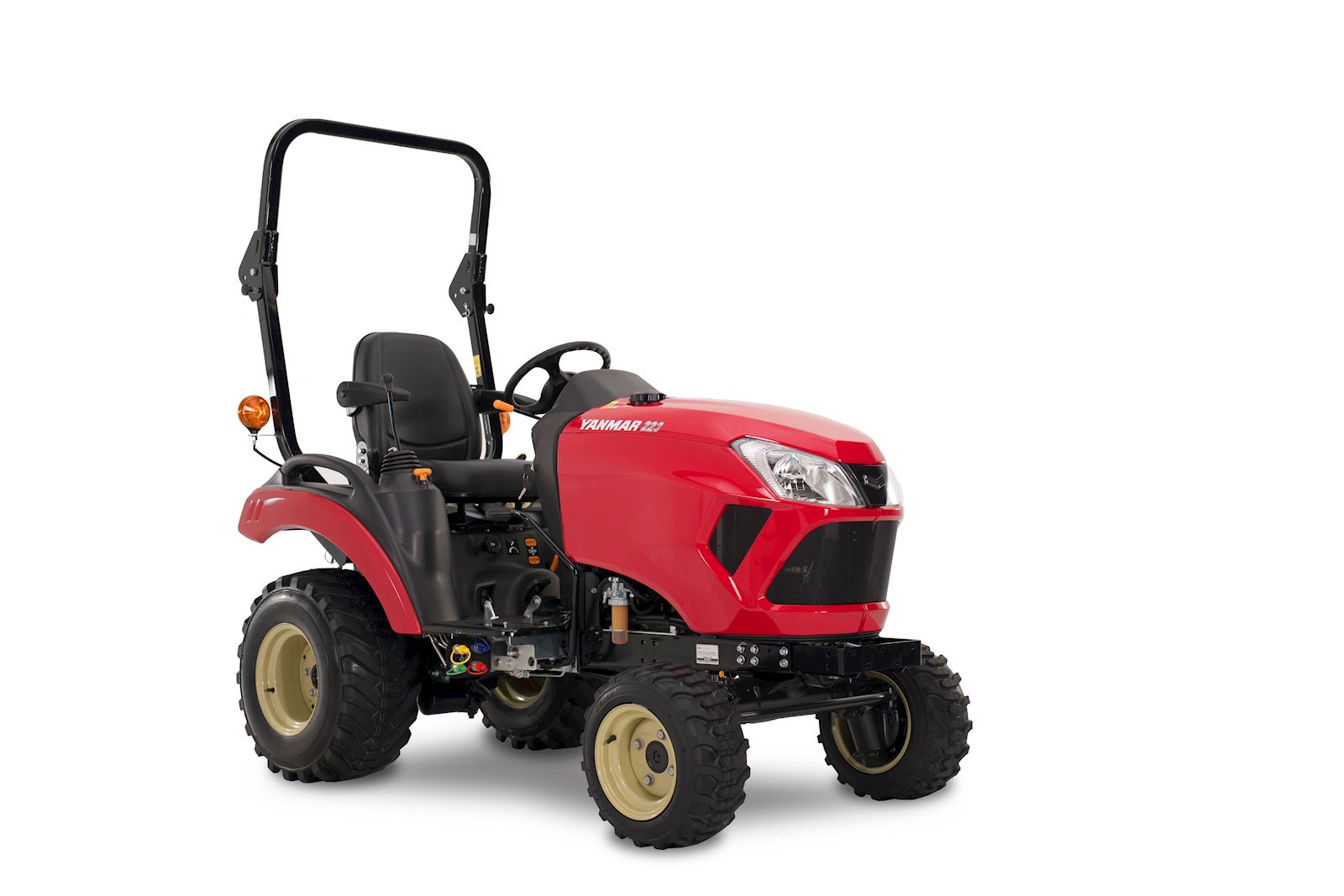
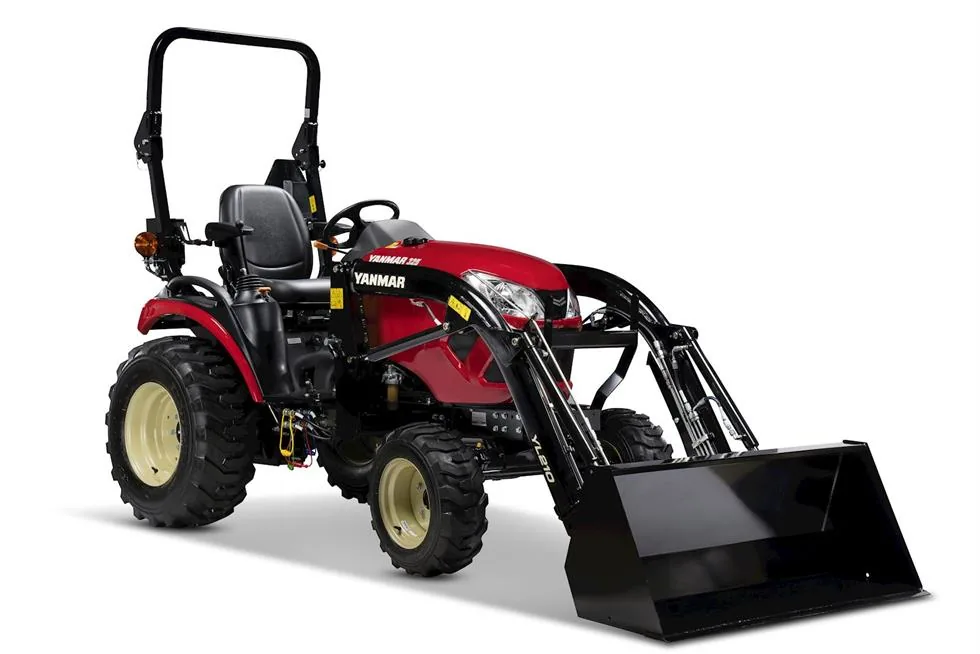
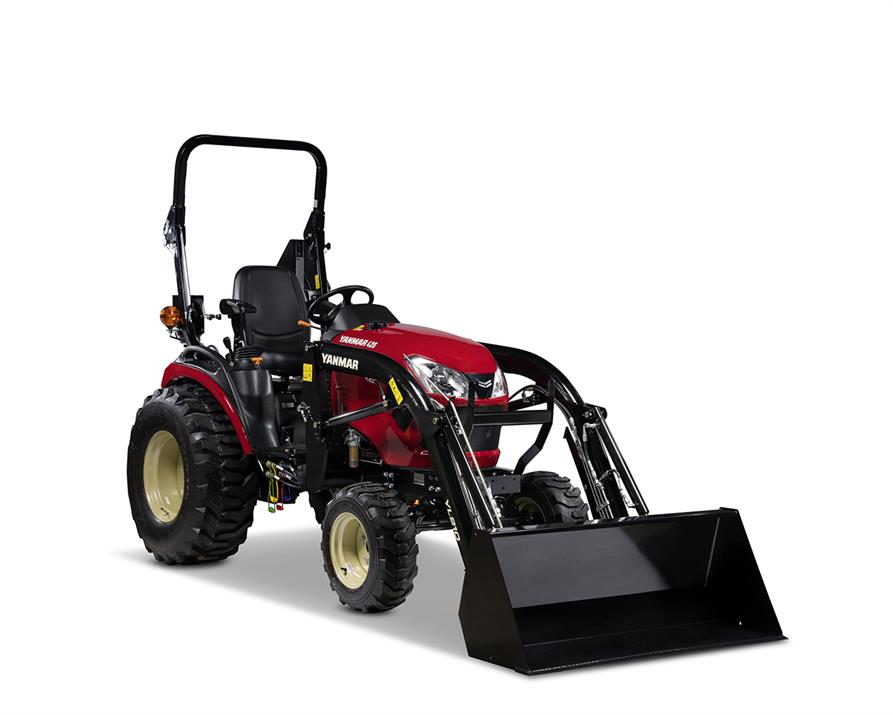
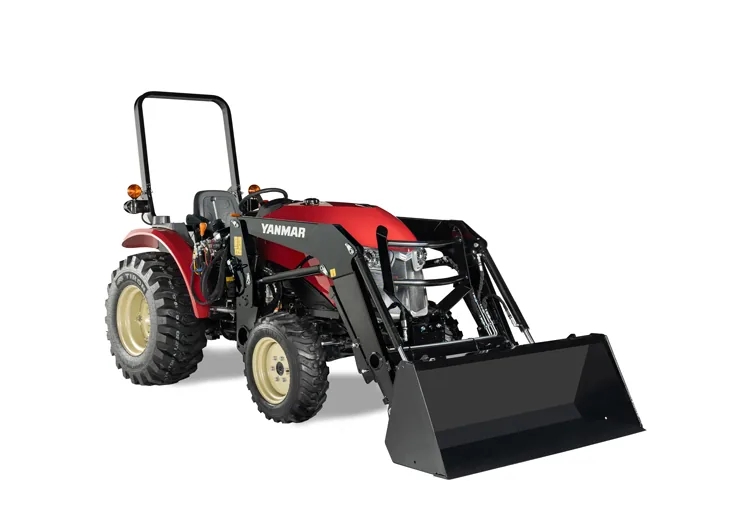
The lineup splits by transmission more than by size. The SA223, SA325 and SA425 are hydrostatic sub-compacts that went on sale in June 2022, and the YT235 is a larger hydrostatic compact. The YM225 through YM359 are the gear-and-shuttle compacts, the plain choice for ground work. The YT347 and YT359 use Yanmar's i-HMT, a hydro-mechanical continuously variable transmission that arrived with the YT3 series at North American dealers in May 2016. The SM series, announced in August 2024, adds the SM240 (hydrostatic or gear) and the SM475, which at 74 hp is the most powerful tractor Yanmar sells in North America. Every series carries the same 10-year or 3,000-hour limited powertrain warranty.
The small ones get compared with Deere's 1-series and 2-series most, and the loader is where Yanmar wins: SA owners report lifting loads a same-size Deere struggles with. The catch is that the loader takes Yanmar's own pin-on attachments instead of a skid-steer quick attach, so grapples and forks have to come from Yanmar, and a third-function kit is a dealer job that runs into four figures. Other recurring points are exposed undersides that want the optional belly pan, financing that does not match the 0% offers Deere runs, and how little has been written about these machines next to their Deere and Kubota rivals. On the other side, owners praise the manuals, cold starting and how easy the machines are to service themselves.