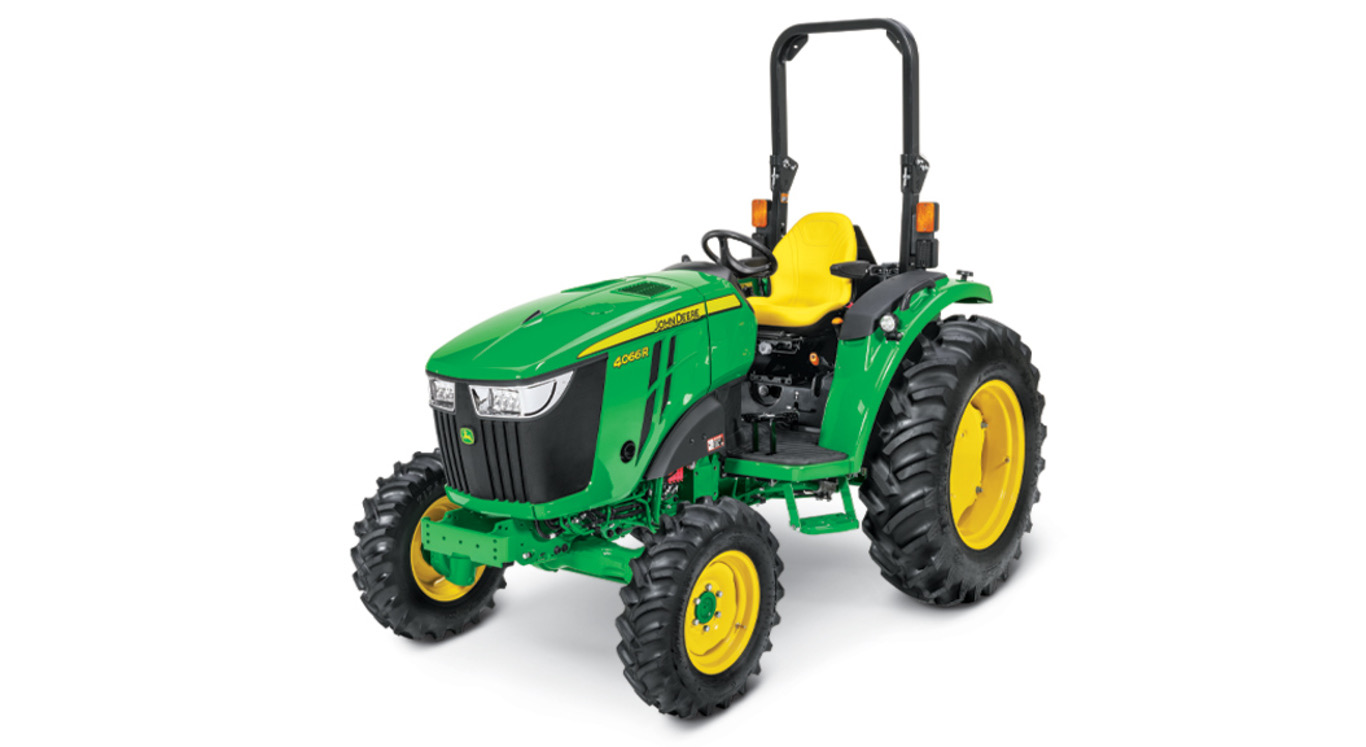
The single most common reason owners give for choosing a 4066R is that it is the biggest hydrostatic tractor Deere builds. Two separate owners say outright that they would have bought a 5 series if Deere offered a hydro in one, and a third describes the larger 5 series as clunky by comparison. That framing matters, because almost every conversation about this tractor is really a conversation about whether to buy the 5 series instead — and the answers depend on what the buyer is protecting. People working on client lawns and in tight spaces keep choosing the 4066R because a heavier utility tractor tears turf and will not fit. People with room and heavy ground-engaging work regret it: one owner whose dealer pushed the 4066R bought a 5115M for about $20,000 more and says eight years on he has lost count of the times he was glad, mostly because the 4 series takes Category 1 implements only.
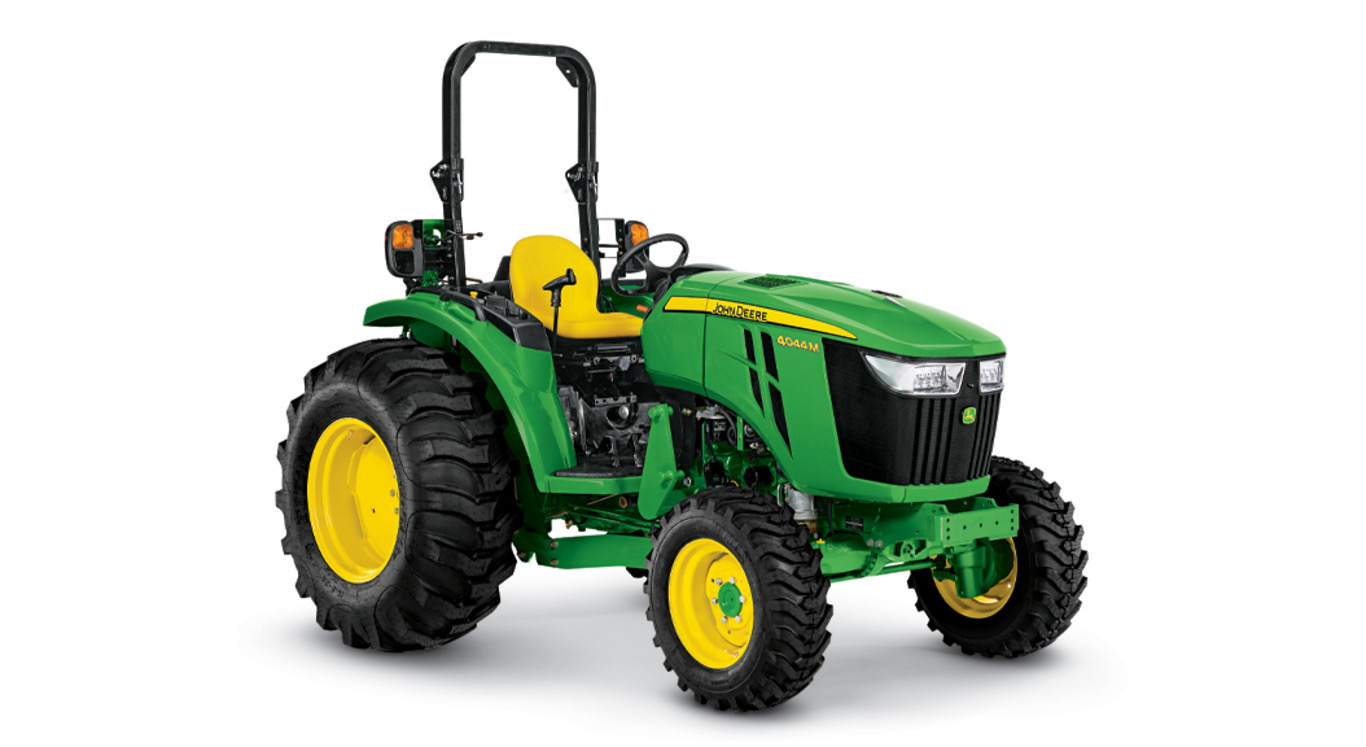
What owners like about the machine itself is comfort and refinement rather than raw capability. Someone moving up from a Kubota L3440 describes it as driving a Cadillac by comparison and lists the specifics — air seat, heat and air conditioning, a third function on the thumb, hitch assist on the rear fender, a hydraulic top link — while noting he had to trim a lot of trees to get the cab under them. The complaint from long-term Deere owners is that the platform has barely moved: one 4052M owner from 2015 looking to trade into a cabbed 4066R found it essentially the same tractor a decade later and is waiting for a redesign, and reckons Deere has the smallest cab in the class on the 3 and 4 series. Price has moved, though — an owner who has kept dealer price sheets since 2014 says the equivalent machine went from about $45,000 for a cab and loader to nearly $70,000.
Reliability reports are broadly good, with one owner calling his 2023 trouble-free and another running his as a field tractor for planting and haying and noting it has not shown the problems he associates with the 5 series. The faults that do appear are electrical rather than mechanical: a 2021 bought new that throws a starter relay error and refuses to start about half the time, with the relay replaced repeatedly and no pattern anyone can find, and a machine that lost forward motion mid-snowstorm while reversing fine, with the speedometer stuck at 10 mph and idle — a transmission speed sensor being the owner's best guess. Worth knowing before you order: this is a Yanmar-engined tractor, unlike the Deere-engined 5075E it is usually cross-shopped against.
4066R or a 5 series like the 5075E?+−
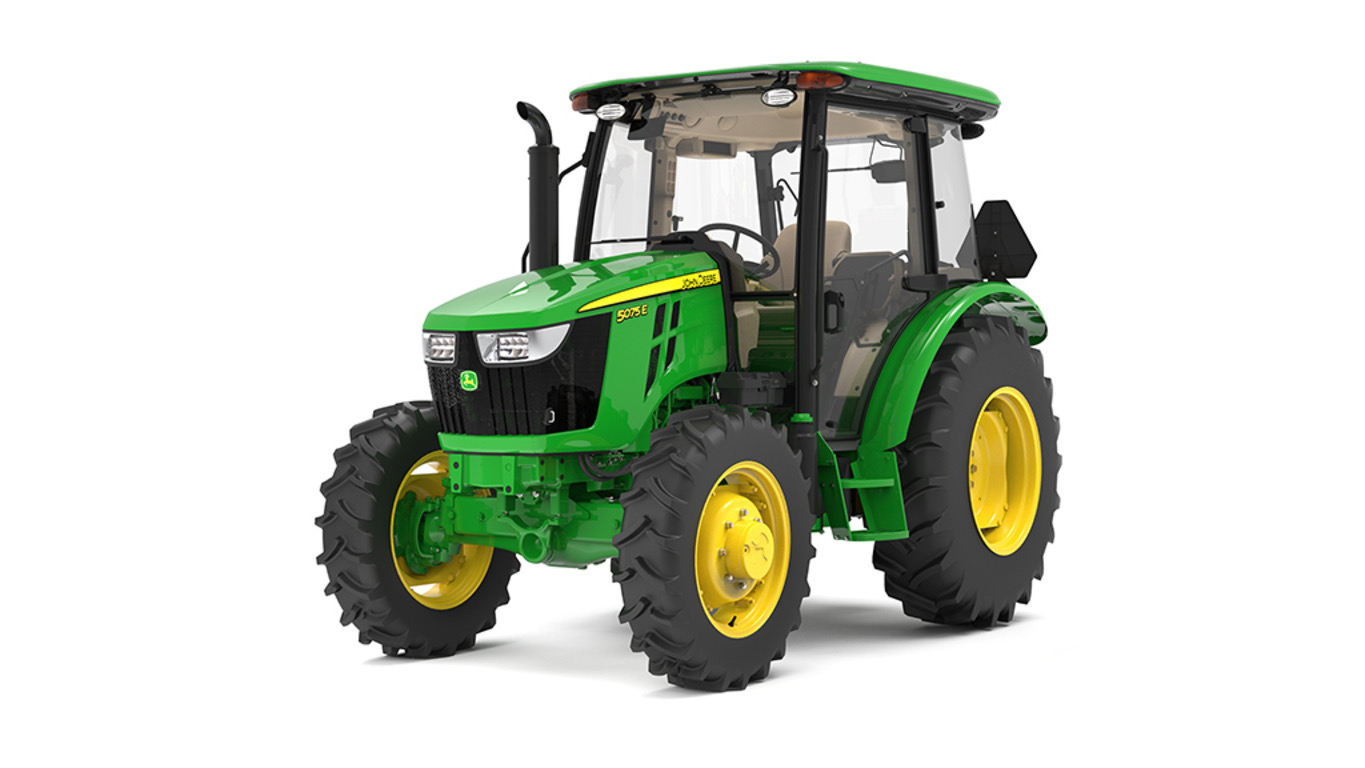
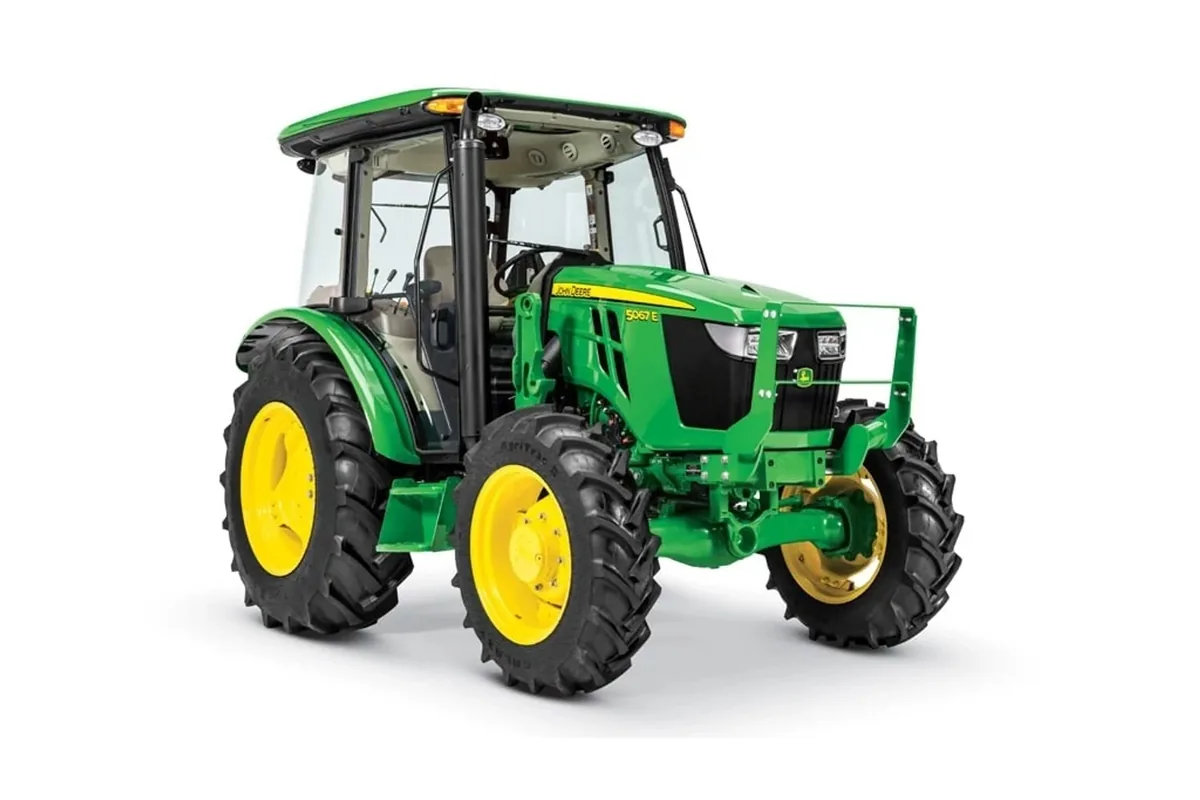
Owners split by what they are protecting. If turf damage and tight access matter — mowing client properties, working around buildings — the 4 series wins, and buyers say so even knowing the 5 costs less per horsepower. If you want reach, lift and Category 2 implements, the 5 series is the one owners say they were glad they bought, with one putting the jump at about $20,000 and saying he has never regretted it. Two further points come up: the 5 series has no hydrostatic option, which is a dealbreaker for some, and the 5075E avoids exhaust aftertreatment that the 4066R has.
Is the step up from a 4052R actually worth it?+−
One Deere salesman told a customer directly that going from a 4052R to a 4066R was wasted horsepower for the roughly $7,300 difference, and a 4075R was about $13,000 over the 4052R. That is an unusually candid piece of advice from the selling side and worth weighing. The counter-argument owners make is that the 4066R has the largest hydrostatic drivetrain Deere builds, so it is the top of the platform rather than a middle trim.
How many acres is it right for?+−
Less than the specification suggests if the work is production mowing. One commenter told a buyer cutting tracts between 10 and 50 acres that this was a lot of ground for a 4066R and pointed him at a 5075E. For owner-operators maintaining their own place — gravel road, snow, loader work, a 6-foot cutter — owners are content on fifteen to forty acres and the constraint they hit is implement category rather than land area. If you are also trying to make ground look manicured, owners say you want a zero-turn alongside it regardless.
Whose engine is in it?+−
Yanmar, which is a point of difference from the Deere-built engine in the 5075E it is usually compared with. At least one owner prefers the Yanmar to Deere's own three-cylinder, while rating Deere's four-cylinder a solid engine in its own right. It is not a reason to choose or reject the tractor, but it does mean the engine parts conversation is not a purely green one.
Does it need rear ballast for loader work?+−
Yes, and the advice owners give applies across the class: follow the ballast guide in the operator's manual and do not let a salesperson talk you out of it. On a compact frame, a heavy load high in the air unweights the rear regardless of what the loader is rated for, so the combination owners use is liquid-filled tires or wheel weights plus something on the three-point. Owners also note that dropping the bucket takes seconds, so swapping to forks or a grapple is not the obstacle people expect.
What should I check if it will not start or will not move?+−
The two faults reported here are both worth naming to a dealer rather than chasing yourself. An intermittent no-start with a starter relay error has defeated one owner through several replacement relays, which points at wiring or a switch rather than the relay itself. Loss of forward motion with reverse still working, accompanied by a speedometer frozen at a fixed speed, points at a transmission speed sensor. Neither is common in this evidence, but both left an owner stranded mid-job.
Summarised from public owner discussion, not from testing. Nothing here was measured by this site, and a report that recurs is not the same as a defect rate.