Kubota · Sub-Compact

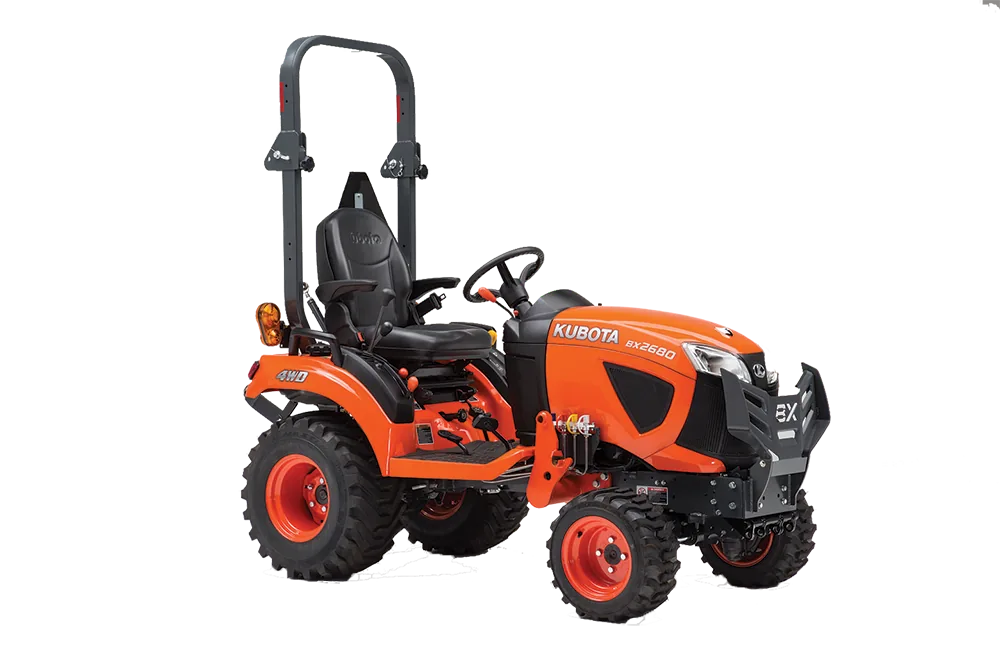
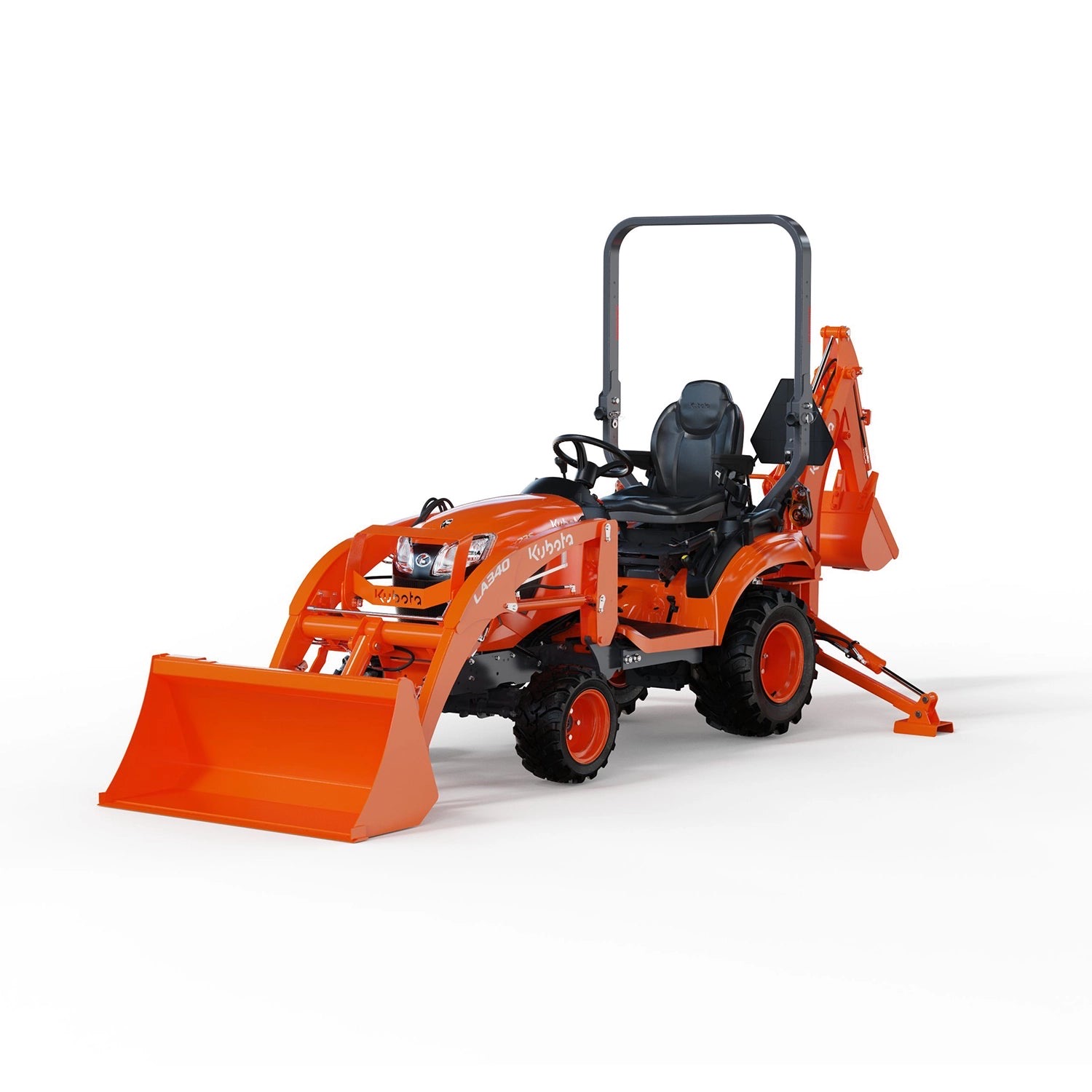
Kubota BX1880

~$12,798

MSRP, base build

Kubota BX1880
Sub-Compact
16.6 hp engine · 13.7 PTO−17% to the shaft

Cheapest diesel tractor Kubota sells in the US at $12,798 base, and the 16.6 hp D722 is the compromise that buys that number. It mows an acre or two and moves light loads; it is not the one to buy if a loader bucket will be full most days.

Engine
16.6 hp
PTO
13.7 hp
Loader lift
not published
3-pt lift
680 lbs

1.07 PTO hp per $1,000 of list price

As published by the maker

Specifications

Size class
Sub-Compact
Transmission
Hydrostatic
Engine
Kubota
Engine hp
16.6 hp
PTO hp
13.7 hp
Drive
4WD
Three-point lift
680 lbs
Hydraulic flow
6.2 GPM
Fuel tank
6.6 gal
Weight
1,336 lbs
Warranty
6 yr / 2000 hr powertrain
4WD
Yes
Cab
Open station
Turbo
No
Cruise control
No

On the price: The maker's own published starting figure for the base build. A dealer adds a loader, a deck and freight on top.

Lift figures are the maker's and are quoted at whichever point the maker chose; the about page explains why two loaders with the same number do not lift the same pallet.

Comes with

4WDHydrostaticFront LoaderPower SteeringDiesel

From owner discussion and long-term write-ups

What owners say

What they like

  • It's the cheapest way into a genuine Kubota diesel 4WD tractor, often thousands under a BX2380 while sharing the same frame
  • The D722 is the same engine family Kubota fits across its own equipment line, so it is not a one-model orphan for parts
  • It takes the same LA344 loader and RCK mower decks as the rest of the BX80 series, so you give up no attachment compatibility
  • The full-frame BX chassis with cast axles feels like a shrunken real tractor, not a beefed-up lawn mower
  • The drive-over RCK60 mower deck makes it a legitimate lawn tractor replacement that also does loader work
  • Cross-drilled rear axles allow independent brake steering for tight maneuvering
  • For mowing, light gravel work, and snow duty on a small property, the missing horsepower versus a BX2380 rarely matters

What they complain about

  • At 16.6 HP it's the least powerful tractor in the class, and hills, thick grass, or a full bucket will find its limits fast
  • The 13.7 PTO HP restricts it to a 54-60 inch deck and the lightest PTO implements
  • Most shoppers conclude the extra ~$2,000 for the BX2380's 22 HP is money well spent, making the 1880 a narrow value case
  • The 680 lb loader and 3-point capacities are modest even by sub-compact standards
  • The low-slung BX chassis has limited ground clearance for rough or rutted ground
  • Exposed steering tie rods sit low and are known to bend on stumps and rocks
  • Loaded with a deck and loader it crosses $17K, close enough to bigger machines to trigger buyer's remorse

Gathered from owner reports

What owners report

The sentence that sums up the BX1880 comes from an owner four years in: you run out of weight before you run out of power. Nobody complains that 16.6 hp is too little for what they are doing - they complain that a 1,300 lb tractor lifts the front wheels, rocks with a loaded bucket, and cannot dig. The fix owners land on is ballast: a counterweight on the three point is described as curing the balance problem entirely, to the point that one owner now maxes out the loader before the back end lifts. The other recurring correction is expectation: several people report shopping this model and being talked into the BX2380 or BX2680 for the PTO horsepower, and the ones who did it rarely regret the extra money.

What it does exceptionally well is snow. A front-mounted blower on one gets called the best snow-removal device an owner has used, chewing through two feet of snow if you ease off the pedal when it starts to bog, and owners moving up from a lawn tractor with a blower say the four-wheel drive simply does not spin where the old machine did. A rear blower is the cheap route if you can stand looking over your shoulder. On grass it mows about half an acre in ten to fifteen minutes; tall grass wants two passes in opposite directions, and owners on soft ground warn that it is little but it is still a tractor - it will leave ruts if the soil is wet, and it is gentle only when it is dry or the loader is off.

Two faults show up from more than one owner and are worth knowing before buying used. The first is fuel delivery: debris in the tank plugging the feed elbow, which produces exactly the pattern of rpm drop, surge, white smoke and eventual stall that people mistake for something serious, gets worse going uphill, and comes back after blowing the line clear. The second is the mower deck, where separate owners report the deck lift failing because of a broken internal pin and a deck spindle bearing coming apart. Dealer experiences split sharply: some owners get warranty work done well, and others describe machines going back twice with the dealer reporting nothing wrong. On price, expect little movement - owners consistently report paying at or barely under list, with the negotiating happening on loaded tires, free delivery, prep charges and a second implement.

What comes up favourably

  • Owners agree the horsepower is not the limit - the machine runs out of weight and traction long before it runs out of engine, which means ballast rather than a bigger engine is the upgrade that matters
  • A rear counterweight transforms it: one owner using a gravel-filled box now reaches the loader's own limit before the back wheels get light
  • Snow is where it shines - an owner with a front-mounted blower calls it the best snow clearing machine he has used and gets through two feet at a slow pace, and four-wheel drive stops the wheelspin that plagued their old lawn tractor
  • It mows half an acre in ten to fifteen minutes, and owners who moved up from a garden tractor describe it as the machine they use for everything from firewood to landscape rock
  • Owners who added a grapple on wooded property report using it several times more than the bucket for brush and limb cleanup
  • The quick-detach loader makes swapping to the mower simple, and a modified aftermarket quick hitch makes rear implements a one-person job

What comes up as a complaint

  • Most shoppers who look at it get steered to the BX2380 or BX2680 for the PTO horsepower, and owners of the bigger machines say the extra power is what runs decent attachments
  • Fuel delivery trouble from debris in the tank is reported by separate owners: rpm drop and surge, white smoke, worse on an incline, temporarily cleared by blowing the line back into the tank and then returning
  • The mower deck is the weak point - owners report the deck lift failing from a broken internal pin, more than once on the same machine, and a spindle bearing coming apart
  • Dealer diagnosis is hit and miss: owners describe a machine going in twice for a mid-PTO fault with the transmission opened both times, and a deck problem returned with nothing found
  • It will rut a soft lawn even at around 1,300 lb, and owners in poor soil say only dry ground and removing the loader keep it truly gentle
  • Prices barely move - owners report paying list or a couple of hundred under, with dealers competing on loaded tires, delivery and prep rather than on the tractor
  • The mulching kit is expensive enough that owners fabricate a chute block and fit aftermarket blades instead

Questions worth asking

Is 16.6 hp really enough?
For loader, snow and mowing work, owners say the engine is not what stops you - weight and traction are. The place the horsepower does bite is the PTO: a buyer who stepped up to the BX2380 specifically says the 1880 falls short of running even small attachments comfortably. If your plan is a mower deck, a blower and a bucket, it is enough; if it includes rear PTO implements, the extra power one model up is the common recommendation.
What ballast does it need?
Something on the back, and owners are emphatic. A ballast box - one owner simply fills his with pea gravel - is described as fixing the balance issue almost completely, to the point that the loader reaches its own limit before the rear wheels lighten. Loaded rear tires and wheel spacers come up as the other two fixes, with spacers also being what makes tire chains fit. Keep a loaded bucket low and a hand on the joystick so you can drop it.
Mine bogs, surges and stalls - what should I check first?
Separate owners have chased exactly that pattern down to debris in the fuel tank plugging the feed elbow. The symptoms they describe match closely: an rpm drop and surge, white smoke, worse when climbing, and typically fine for the first twenty minutes or so of a run. Blowing the line back into the tank clears it temporarily; one owner eventually drained the tank and used a shop vacuum to catch the debris while blowing the line, and reports that finally solved it. An inline fuel strainer is the preventive measure others recommend.
Will it wreck my lawn?
It depends entirely on how wet the ground is. One owner on three town lots with turf tires reports no tire damage at all as long as the loader is removed. Another in poor soil says it will leave ruts any time the ground is soft, and points out that only the biggest commercial zero-turns weigh more than it does. Owners who mow with it also report upgrading from turf tires to R14s, which chew a little on tight turns but stop the wheelspin.
Is it worth buying new, or should I look used?
Owners report almost no discount on new ones - list price is the going rate, and what varies between dealers is loaded tires, prep, delivery and a deal on a second implement. New with a loader has been quoted around nineteen thousand out the door at zero percent. On the used side, owners describe two to three year old machines with a loader and deck changing hands in the eleven to thirteen thousand range, with fifteen thousand being the common asking price. If you buy used, check the transmission cooling fan for missing fins - it sits low and one owner found his completely gone.
Front blower or rear blower for snow?
Front-mounted blowers get the strongest praise from owners here, including from people who clear two feet at a time by easing off the pedal when the engine starts to load. The catch is cost. Owners with short drives run a rear-mounted blower instead - one uses a 51-inch unit on a hundred-foot drive and says turning his head is a fair trade for the money saved. If you push snow with the bucket on a concrete drive, owners warn the steel edge catches expansion joints, and suggest a bolt-on plastic edge.

Summarised from public owner discussion, not from testing. Nothing here was measured by this site, and a report that recurs is not the same as a defect rate.
Cross-shopped against

Line the Kubota BX1880 up

Same brand or same size, nearest in price

Related tractors

More from Kubota →
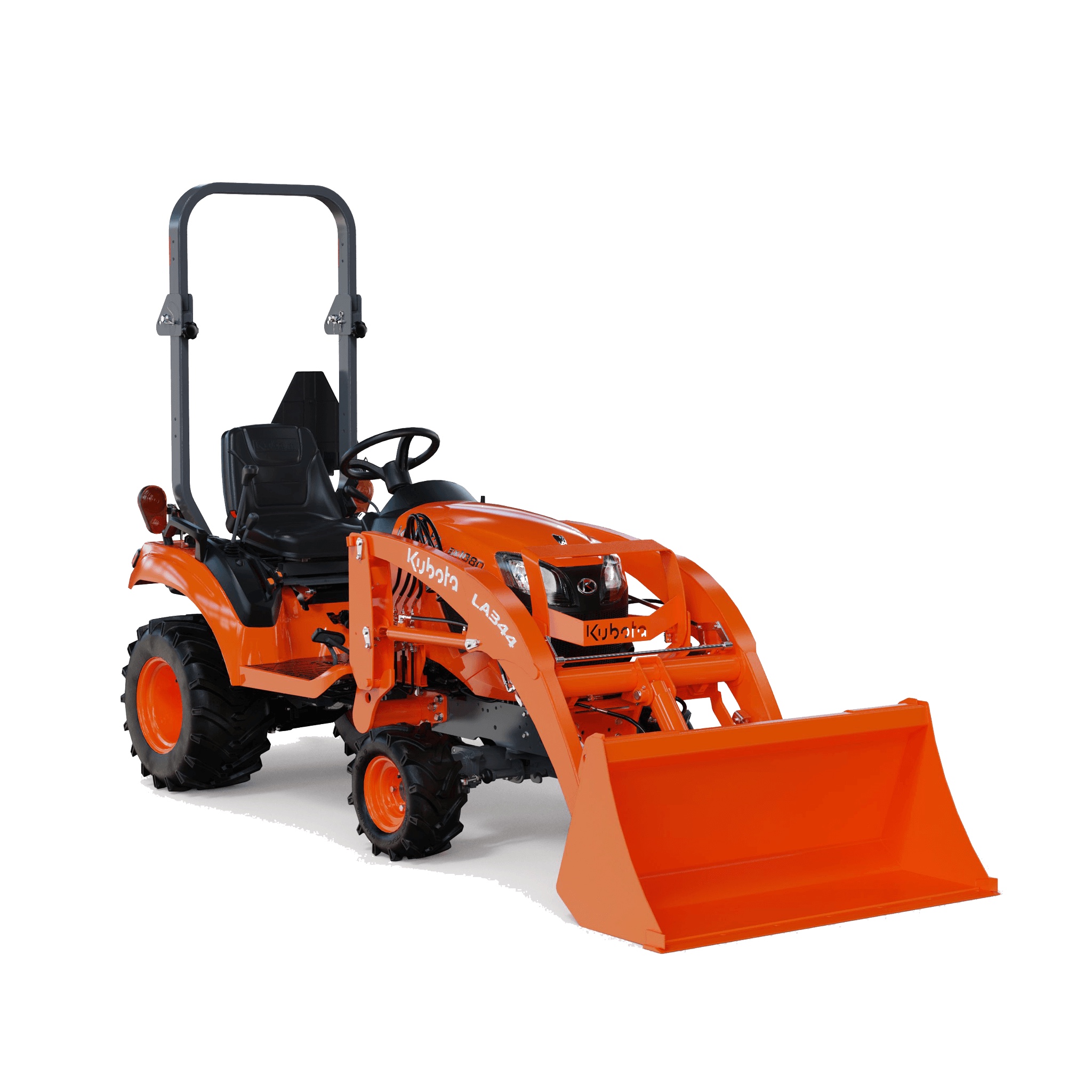
Kubota BX2380
~$16,624MSRP, base build
Sub-Compact

Kubota

Kubota BX2380

21.6 hp engine · 17.7 PTO−18% to the shaft
Loader
—
3-pt
680 lbs
Trans
Hydrostatic
Drive
4WD

Five more horsepower than the BX1880 for about $3,800 more, on the identical BX80 chassis, LA344 loader and drive-over deck. That single step is the whole BX buying decision, and 21.6 hp is where most of the volume lands.

Spec sheet & owner notes
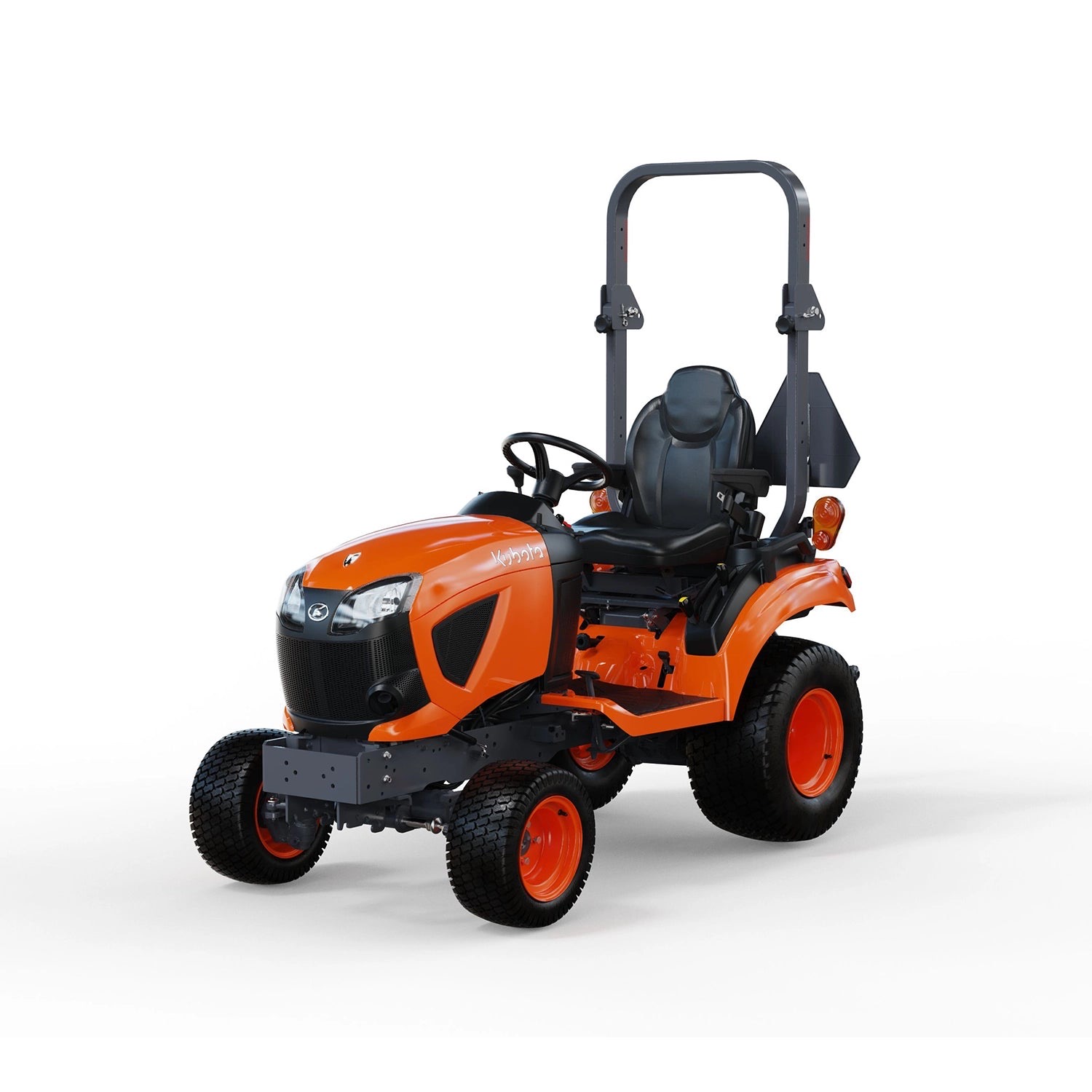
Kubota BX2680
~$17,632MSRP, base build
Sub-Compact

Kubota

Kubota BX2680

23.3 hp engine · 19.2 PTO−18% to the shaft
Loader
699 lbs
3-pt
680 lbs
Trans
Hydrostatic
Drive
4WD

Top of the BX80 range and the last step before the B series: 23.3 gross hp from a 61.1 cu in three-cylinder against the BX2380's 21.6 from 54.8 cu in. Frame, 6.6 gal tank, 6.2 gpm pump and 680 lb hitch all carry over unchanged from the cheaper models.

Spec sheet & owner notes
Kubota BX23S
~$28,061MSRP, base build
Sub-Compact

Kubota

Kubota BX23S

21.6 hp engine · 17.7 PTO−18% to the shaft
Loader
739 lbs
3-pt
680 lbs
Trans
Hydrostatic
Drive
4WD

A factory backhoe is the entire point, and it is why the MSRP sits about $11,400 above a BX2380 running the same 21.6 hp engine. The BT603 hoe and LA340 loader ship as one Kubota-built package rather than a dealer-fitted afterthought.

Spec sheet & owner notes