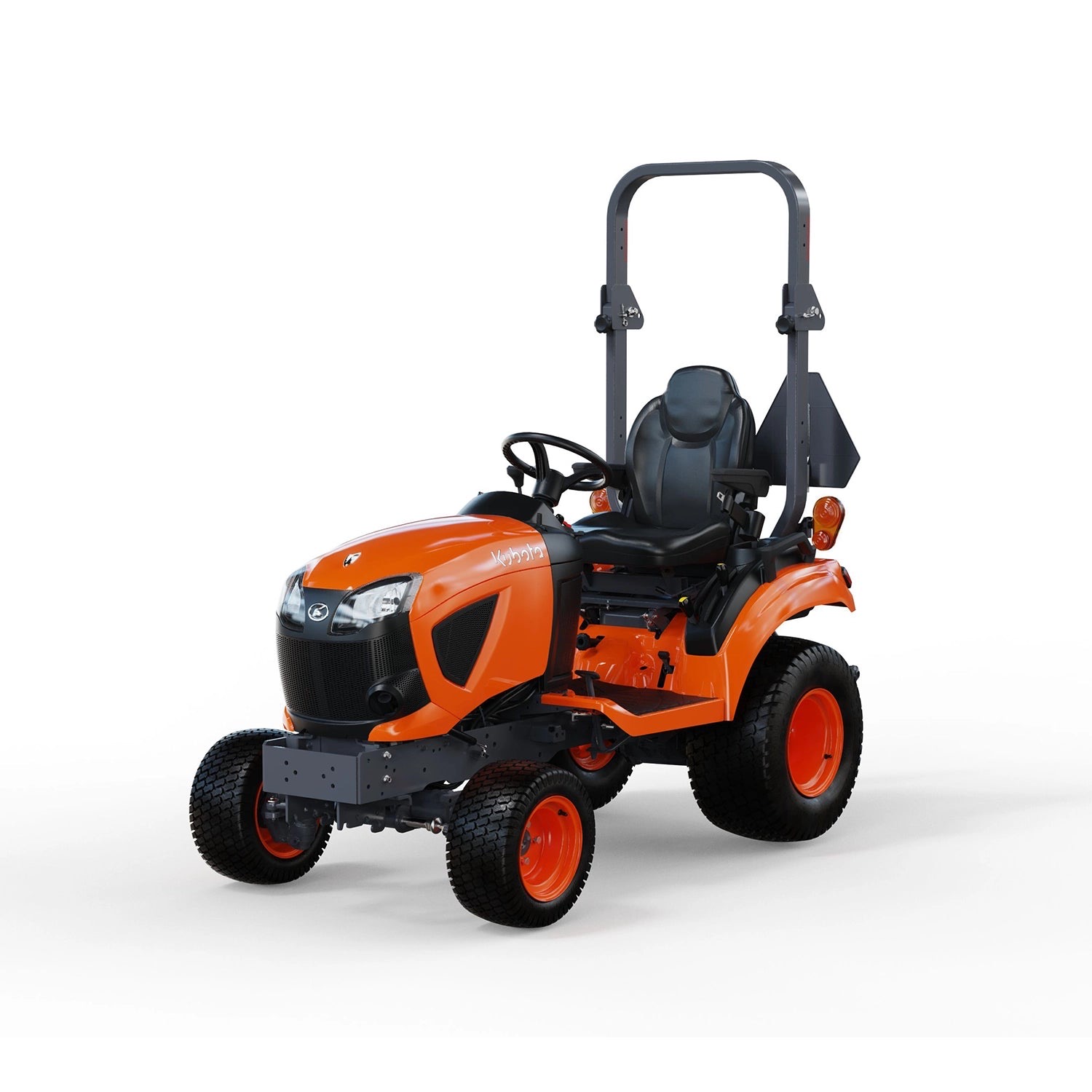
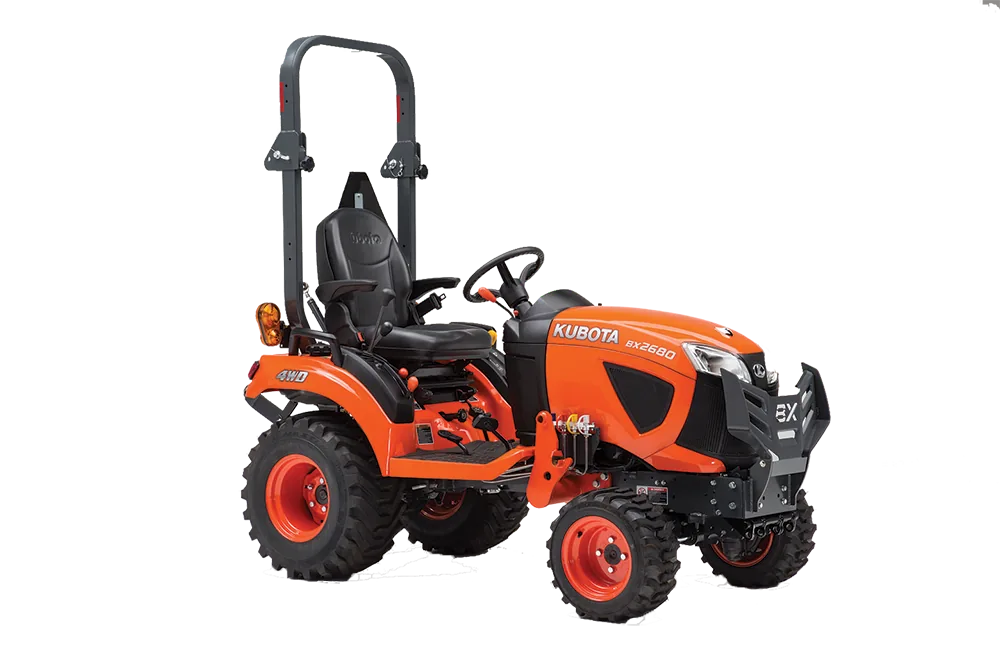
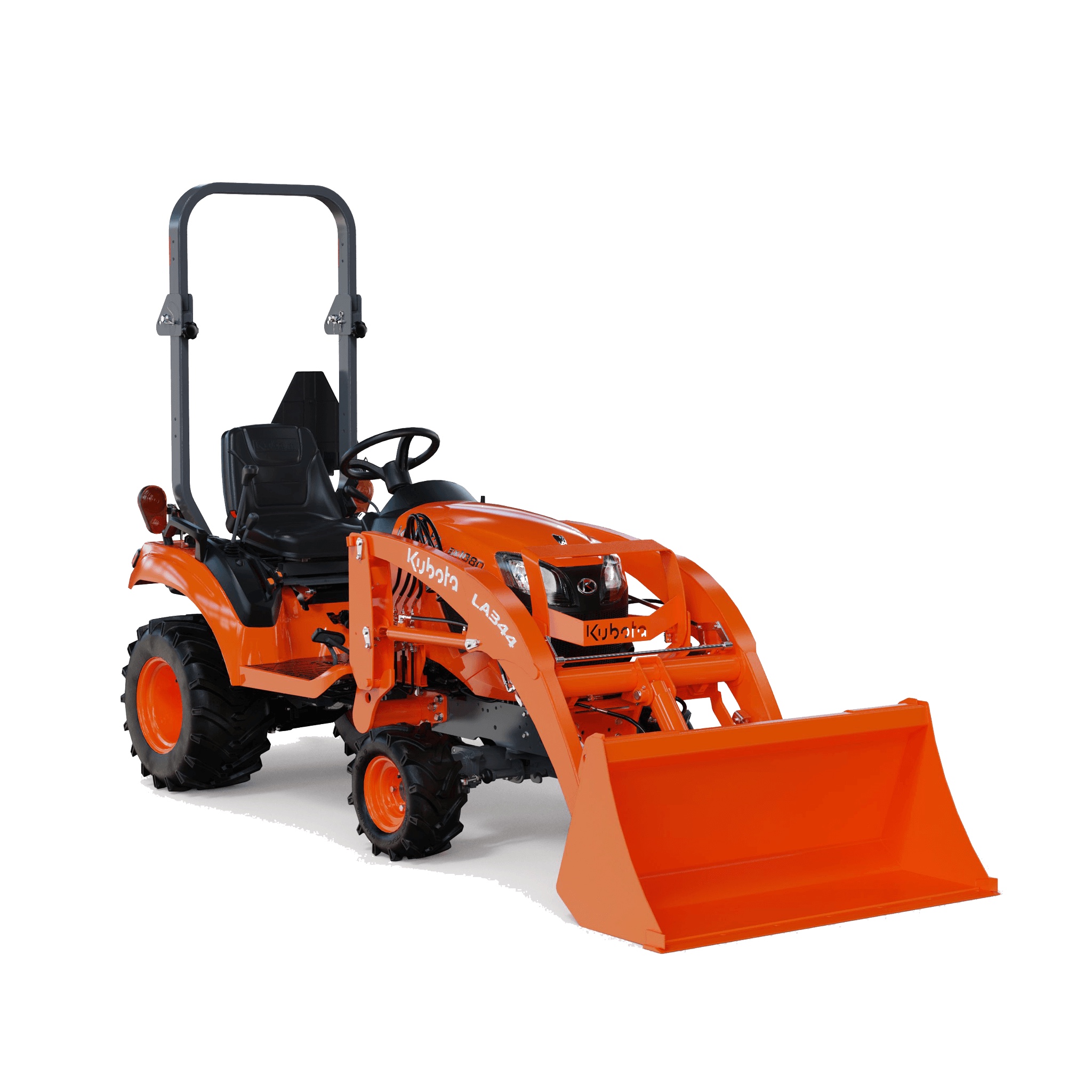
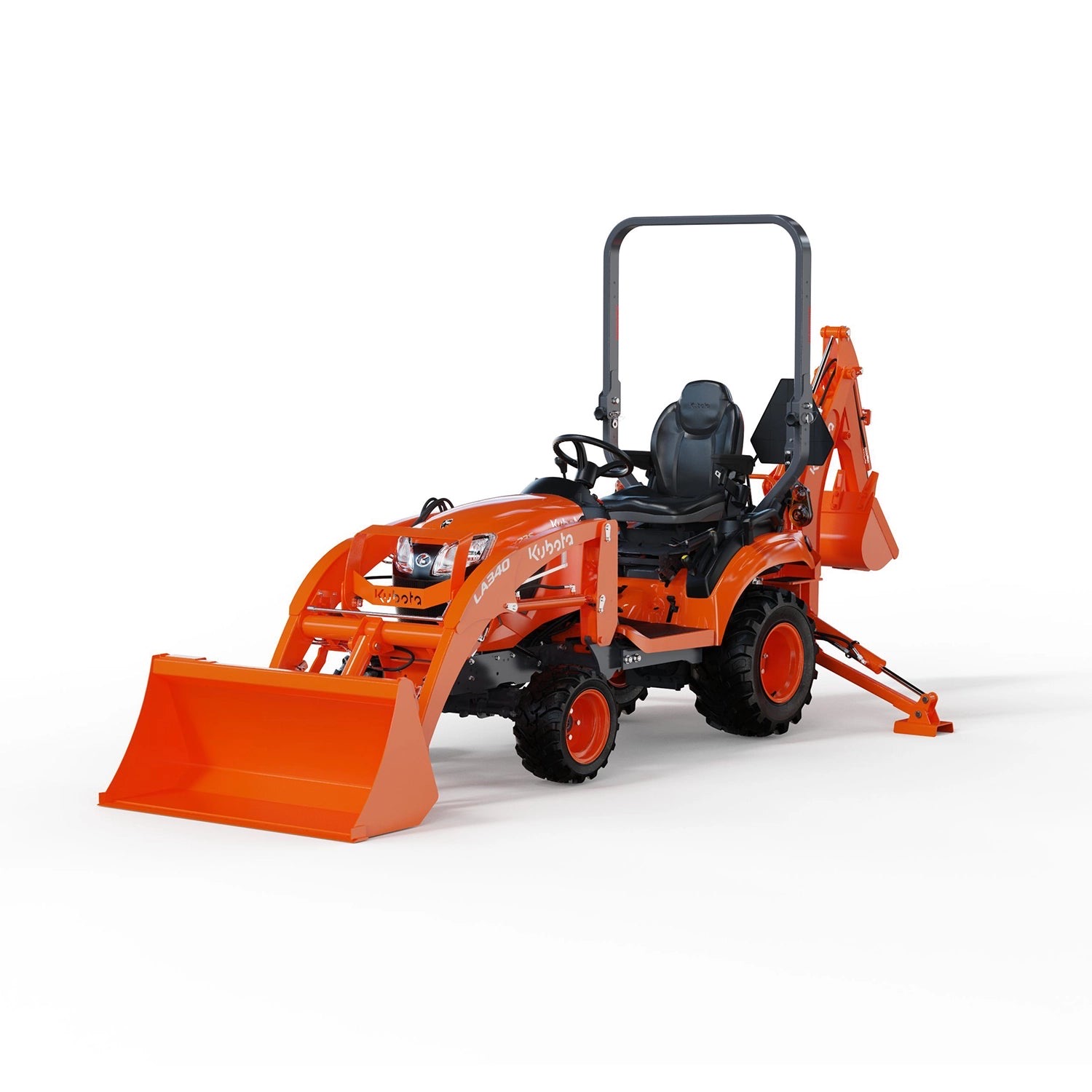
This is the machine in the group with the best-documented high-hour record. Owners report 1,700 hours, 600 hours of what one calls hard hours, and 300 hours of heavy use since 2017 — and their fault lists are short. The 600-hour owner says he has spent about $200 on it, most of that on his own mistakes, with no engine or drivetrain trouble at all, starting reliably at ten below and never losing power mowing thick grass on the hottest days. A five-year owner reports no hydraulic leaks whatsoever. The wear that does appear comes from working it hard: loader pivot wear, tie rods and steering cylinder brackets replaced after a couple of hundred hours of rocky fill work, cylinder eyes wallowing out despite a ten-hour grease schedule, and the loader arm cylinder mount ears flaring outward.
The limit owners describe is weight, not power. The 1,700-hour owner says it directly: the limiting factor is always weight for these. A 42-inch rotary cutter will cut as fast as you can drive, a 48-inch tiller gets worked hard, and a 60-inch belly deck has been used to straight brush-hog in two passes — but a bucket in rocky dirt struggles, the small rear tires dig in and tear turf when pulling, and one owner has come close to tipping many times even with the loader and a box blade as ballast. Two owners independently report fixing the lift rather than living with it, raising the hydraulic pressure slightly and fitting aftermarket cylinders that add roughly 30% for under a thousand dollars, bringing them close to a thousand pounds.
The most useful thing owners say about buying one is about the learning curve. One managing five acres with livestock admits he regretted buying small at first and only later realised the problem was technique — it took him about a hundred hours to get genuinely good at grading and dirt work, after which he was impressed by what the machine could do. Implements follow the same theme: a land plane rather than a box blade is the near-unanimous recommendation for gravel, with one owner grading over a mile of road with a 60-inch planer in about 45 minutes, bogging only when pulling gravel uphill. And the belly mower is the one purchase owners second-guess, with two saying outright they would put that money toward a zero-turn instead.
Is a BX2380 enough tractor, or will I regret not going bigger?+−
Owners on two to five acres — including one running livestock — are consistently happy, and one grew from eight acres to twenty and stayed with it, leasing part of the land out. The regret owners do report is rarely about power. One managing five acres admits he felt he had bought too small until he realised it was his technique, and that it took roughly a hundred hours before he was good at grading and dirt work. Where owners genuinely do wish for more is traction and weight, not horsepower.
Can the loader be made to lift more?+−
Yes, and owners do it. Two independently report raising the hydraulic pressure slightly and fitting aftermarket cylinders, which they say adds around 30% for under a thousand dollars and brings the machine close to a thousand pounds of lift. Stock, owners describe it as fine for mulch and dirt and a struggle in rocky ground. Rear ballast and four-wheel drive are treated as prerequisites either way.
Should I buy the belly mower or a separate zero-turn?+−
Two owners say directly they would skip the deck and put the money toward a zero-turn, and one of them had run BX tractors with decks for over twenty years before concluding that. The counter-case is real though: an owner with two acres uses his 60-inch deck as his primary mower, cuts 12-to-18-inch grass with minimal windrow, and argues a well-maintained tractor deck will outlast two or three riding mowers. Owners also switch to two-wheel drive while mowing to avoid marking turf.
What implements suit it best?+−
A land plane for gravel comes up more than anything else — easier than a box blade because the gravel flows through, and one owner maintains over a mile of road with a 60-inch planer in about 45 minutes. Keep the box blade to about 48 inches; owners say a larger one is a mistake on uneven ground. A third function plus a grapple gets recommended repeatedly for logs and brush, and there is a factory rear remote kit for this tractor, which notably does not fit the BX23S.
What should I watch for on a used one?+−
Look at the front end rather than the engine. Owners who worked theirs hard report loader pivot wear, worn tie rods and steering cylinder brackets, wallowed-out cylinder eyes, and the loader arm cylinder mounting ears flaring out — all after a few hundred hours of rocky work and despite regular greasing. Engines and drivetrains, by contrast, go largely unmentioned even at 1,700 hours. One buyer's approach is worth copying: pay a diesel mechanic by the hour to come and look at it with you before you commit.
Summarised from public owner discussion, not from testing. Nothing here was measured by this site, and a report that recurs is not the same as a defect rate.