Kubota · Compact

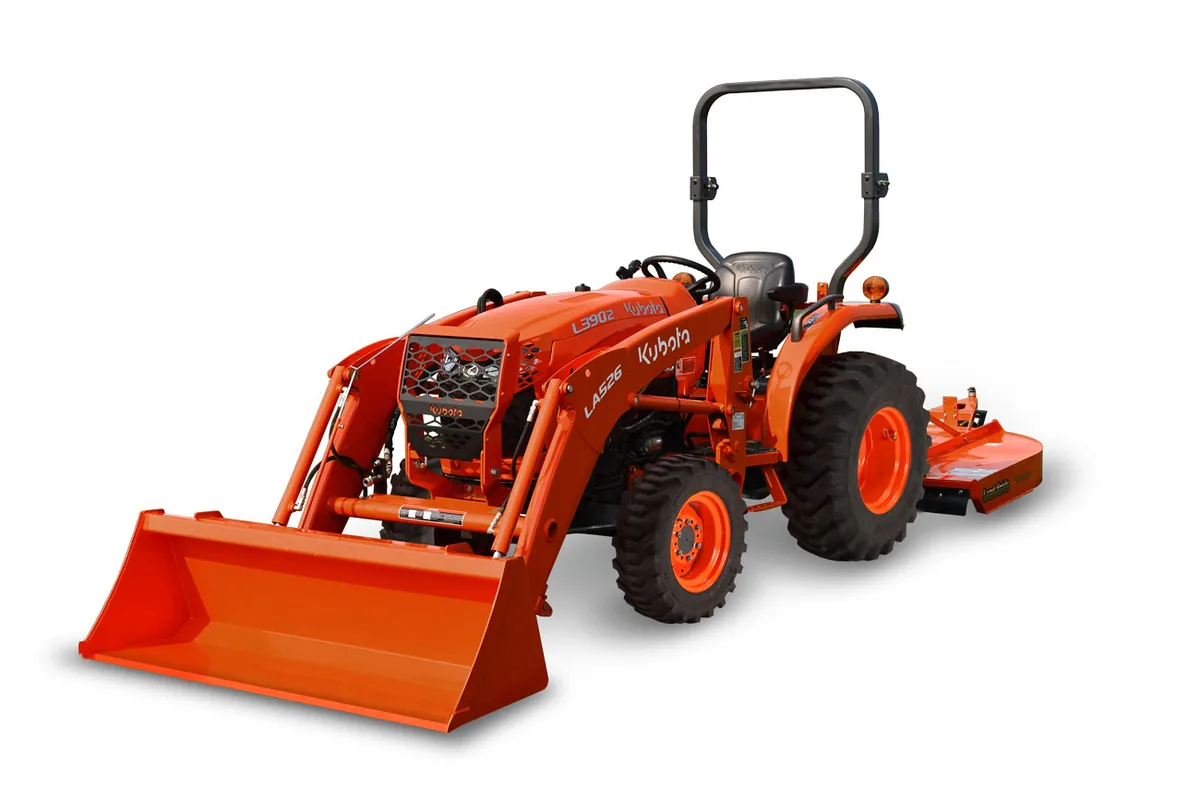
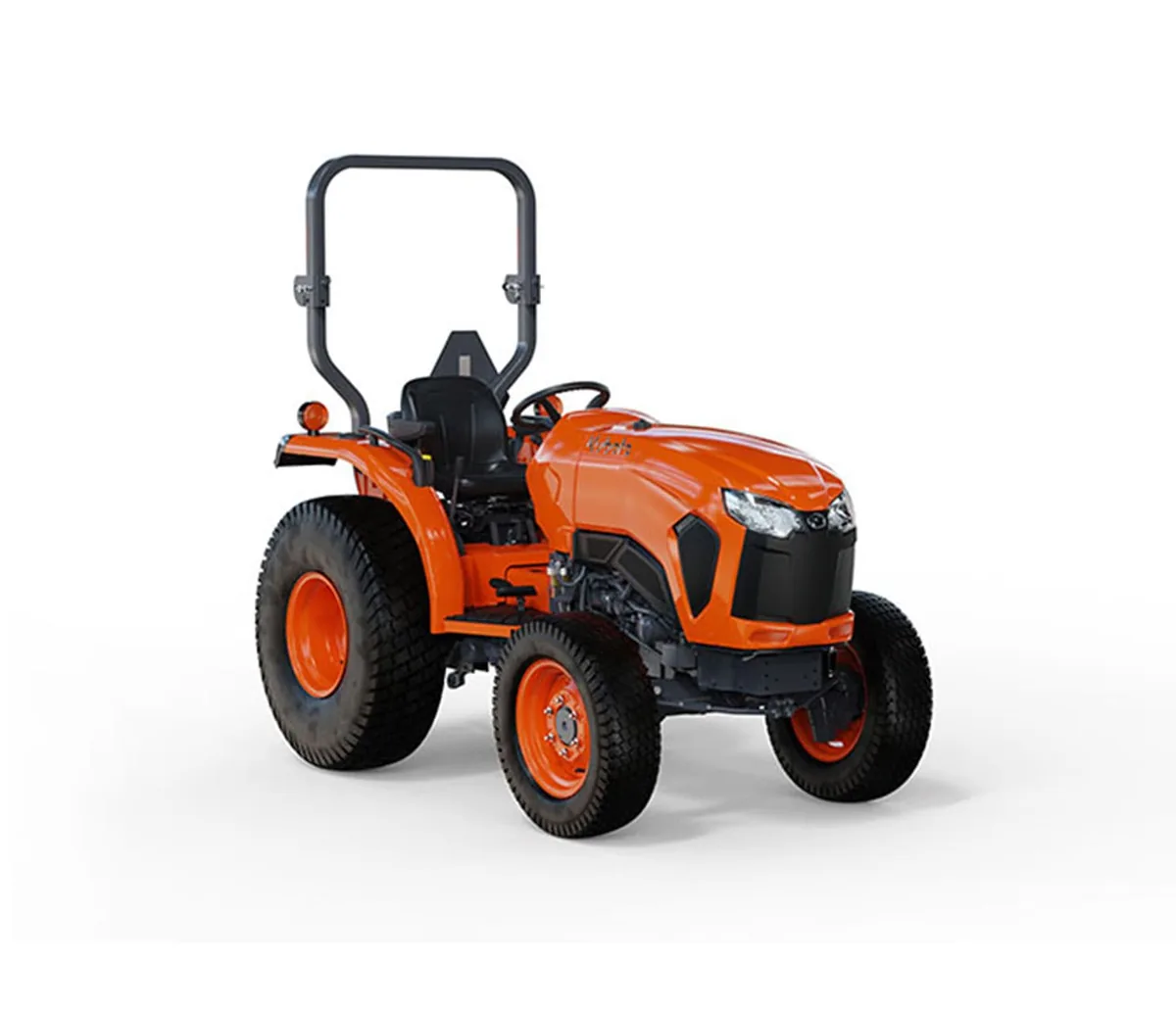
Kubota L3902

~$26,181

MSRP, base build

Kubota L3902
Compact
37.5 hp engine · 32.1 PTO−14% to the shaft

Direct replacement for the L3901 and the middle of the Standard L02 range: 37.5 gross hp from the 111.4 cu in three-cylinder, the same LA526 loader and BH77 backhoe as the L2502 below it, and a 1,998 lb hitch. Gear-drive 8F/8R is the base build, three-range HST the alternative.

Engine
37.5 hp
PTO
32.1 hp
Loader lift
1,506 lbs
3-pt lift
1,998 lbs

1.23 PTO hp per $1,000 of list price

As published by the maker

Specifications

Size class
Compact
Transmission
Gear
Engine
Kubota
Engine hp
37.5 hp
PTO hp
32.1 hp
Drive
4WD
Loader lift
1,506 lbs
Three-point lift
1,998 lbs
Hydraulic flow
10.1 GPM
Fuel tank
11.1 gal
Weight
2,767 lbs
Warranty
6 yr / 2000 hr powertrain
4WD
Yes
Cab
Open station
Turbo
No
Cruise control
No

On the price: The maker's own published starting figure for the base build. A dealer adds a loader, a deck and freight on top.

Lift figures are the maker's and are quoted at whichever point the maker chose; the about page explains why two loaders with the same number do not lift the same pallet.

Comes with

4WDGearFront LoaderPower SteeringDiesel

From owner discussion and long-term write-ups

What owners say

What they like

  • 32.1 PTO hp on the gear build pulls a six-foot rotary cutter or tiller without lugging, which the 19.8 hp L2502 cannot
  • 1,998 lb at the lift points, and still 1,435 lb measured 24 in behind them, which is where a long box blade actually hangs
  • Combined pump output of 10.1 gpm - 6.3 gpm to implements, 3.8 gpm to steering - runs the LA526 without starving the hitch
  • Shares the 111.4 cu in engine and 11.1 gal tank with the L3302, so the roughly $2,400 step up buys 4.5 hp on a proven block
  • Kubota builds the engine, the loader and the backhoe, so no part of the package depends on an outside supplier
  • The shuttle lever is column-mounted, so forward-reverse changes on loader work never involve the range lever

What they complain about

  • The headline hitch figure is measured at the lift points; 24 in behind them it falls to 1,435 lb, and that is the number a long implement sees
  • Kubota lists no factory cab for the Standard L02, so this is a ROPS-only machine whatever the weather
  • It carries the L3302's engine block, loader and tank, so the price premium buys horsepower and almost nothing else in the spec table

Gathered from owner reports

What owners report

The L3902 is the model people in this frame size talk themselves into. Owners who bought it almost all describe the same reasoning - biggest engine available in the frame they liked - and the ones who bought smaller are the ones writing posts about wishing they had the extra power when a cutter loads the engine. It is also the size at which flail mowers become the interesting option: owners run 60 to 62-inch flails on it routinely and call it a good match, though one notes it sits at the low end of the power range for one and the revs dip hard when the PTO engages.

The machine's honest limit is the loader, not the engine. Owners repeatedly point out that the L2502, L3302 and L3902 share a frame and a loader, so the price step buys horsepower at the back and nothing at the front - and owners who have overloaded the bucket say so plainly. Moving a tote of wet hardwood is described as genuinely unnerving even with beet juice in the tires and a 700-pound implement hanging off the three point. The other thing new owners notice is the fuel filler on top of the hood: more than one buyer chose a Grand L partly to avoid lifting five-gallon cans shoulder height. There is no factory cab anywhere in this range, which one owner argues is fine - he clears wooded ground every autumn and expects cab glass to lose that fight, and reckons the air conditioning compressor would cost him real horsepower besides.

What holds up well is the machine itself. An operation running several of them past 2,000 hours reports nothing beyond routine trouble, and owners single out two changes from the L3901: the PTO cable that used to seize if it was not used regularly is now a switch, and the bucket is quick-attach rather than pinned. Regenerations arrive every few dozen hours in hard use - rev to around 2,000 rpm for ten to fifteen minutes and keep working - and deferring one with the dash button only moves it. Prices move a long way between dealers: one buyer saved several thousand dollars and free delivery by driving past his nearest store, and quotes often have roughly $1,750 of extended coverage baked in before anyone mentions it.

What comes up favourably

  • Flail mowers are the standout pairing - owners run 60 to 62-inch flails through overgrown pasture, ditch edges and saplings and repeatedly describe the width as well matched to the tractor
  • A commercial operation running several of these past 2,000 hours reports no real problems beyond routine maintenance, which is the closest thing to durability evidence available
  • Two changes from the L3901 get specific praise: the PTO is now a switch rather than the cable that used to seize if it was not exercised, and the bucket is quick-attach instead of pinned
  • It has the power for the jobs that stop smaller machines - owners run a large wood chipper at full capacity and drag a two-foot ripper shank through hard clay without complaint
  • A 60-inch grapple on a Christmas tree farm has taken three seasons of very heavy use and still stacks trees seven to eight feet high for burn piles
  • Dealer pricing varies enough to be worth driving for: one buyer was beaten by several thousand dollars, with free delivery thrown in, by a dealer well outside his area
  • Owners who added rear hydraulic spools from an aftermarket kit rather than the factory option report far lower cost and more standard parts

What comes up as a complaint

  • The loader is the same one the cheaper L2502 and L3302 carry, so the price step buys PTO horsepower and no lift - a point owners make repeatedly to buyers about to overbuy on engine
  • Bucket overloading is easy and owners admit to it; one describes moving totes of wet alder as outright frightening even with beet juice in the tires and a 700-pound chipper for ballast
  • The fuel filler sits on top of the hood, which means hoisting five-gallon cans to shoulder height - a nuisance real enough that buyers name it as a reason they moved up to a Grand L
  • Regenerations arrive every few dozen hours under load; the routine is to hold around 2,000 rpm for ten to fifteen minutes, and using the dash button to defer one only postpones it
  • There is no factory cab in this range at any price, so winter and dust are simply part of the deal
  • Swapping the backhoe on and off is quicker than owners expect, but refitting the three-point arms afterwards is the part they describe as a genuine hassle
  • Quotes often carry extended coverage of roughly $1,750 folded in, so comparing one dealer's number against another's means asking what is inside it

Questions worth asking

What size cutter will an L3902 turn?
Owners settle on 60 to 62 inches for a flail and are happy there - one running a 62-inch calls it a great match even in overgrown pasture, and another chose 60 over 48 and is glad he went wider. The honest caveat comes from an owner running a 60-inch flail who says the tractor is at the low end of the power range for it: the revs dip sharply when the PTO engages, which is startling the first few times but does not appear to hurt anything. For box blades, 60 inches is the usual dealer recommendation.
What changed from the L3901?
The changes owners actually notice are practical rather than headline. The PTO went from a cable to a switch, which matters because the old cable would seize or snap if it was not used regularly - one owner had to add lubricating it to his routine at around 100 hours. The bucket became quick-attach where a 2018 L3901 was pinned. On hydrostatic models the brakes moved to the side away from the treadle pedal and the clutch went away. Owners who compared the two directly judged those enough to buy new.
How much of a nuisance are the regenerations?
Less than the reputation suggests, but they are real. One owner at 80 hours of hard use has had two; another describes the routine as revving to around 2,000 rpm for ten to fifteen minutes while continuing to work, since the process relies on exhaust heat. There is a dash button to defer one, but it forces the issue next time. A parked regeneration, where you cannot use the machine, is what you get when the normal cycles have been skipped.
Should I get the backhoe or rent a mini excavator?
Owners split hard on this and the deciding factor is distance. An owner over an hour from a rental yard says he cannot imagine not having it and swaps it off for other rear implements without much fuss. Several others - including people who own one - say the money is better spent on a grapple and a box blade, and that an excavator does the job faster and does not leave holes you then have to fill. Everyone agrees on one detail: the hoe comes off in minutes, and putting the three-point arms back is the annoying part.
Is it worth stepping up from the L3302 or L2502?
Only if you are running PTO implements. All three share the frame, the loader and the hitch, so the extra money buys engine output alone - owners say this to prospective buyers constantly. If a six-foot cutter, a flail or a chipper is in the plan, owners who took the bigger engine do not regret it and several who took the smaller one wish they had. If the work is loader and hitch work, the extra horsepower changes nothing you will feel.
Do I want a cab on one?
You cannot have one from the factory on this range, and one long-time owner who has run both open and enclosed machines argues you would not want it here anyway. Clearing wooded ground means branches snapping back off the bucket and low limbs, which is how cab glass gets broken, and he reckons the air conditioning compressor costs more engine power than people expect. Owners who want an enclosed machine in this power class generally end up looking at the LX or Grand L instead.

Summarised from public owner discussion, not from testing. Nothing here was measured by this site, and a report that recurs is not the same as a defect rate.

Cross-shopped against

Line the Kubota L3902 up

Same brand or same size, nearest in price

Related tractors

More from Kubota →
Kubota L3302
~$23,791MSRP, base build
Compact

Kubota

Kubota L3302

33 hp engine · 28 PTO−15% to the shaft
Loader
1,506 lbs
3-pt
1,998 lbs
Trans
Gear
Drive
4WD

The quiet middle of the Standard L02 range, and the cheapest way into the 111.4 cu in engine, LA526 loader and 1,998 lb hitch that the L3902 also uses. Identical spec sheet to the L3902 bar 4.5 hp, for about $2,400 less. Gear-drive 8F/8R base, three-range HST optional.

Spec sheet & owner notes
Kubota LX3520
~$29,879MSRP, base build
Compact

Kubota

Kubota LX3520

34.9 hp engine · 28.7 PTO−18% to the shaft
Loader
1,325 lbs
3-pt
1,962 lbs
Trans
Hydrostatic
Drive
4WD

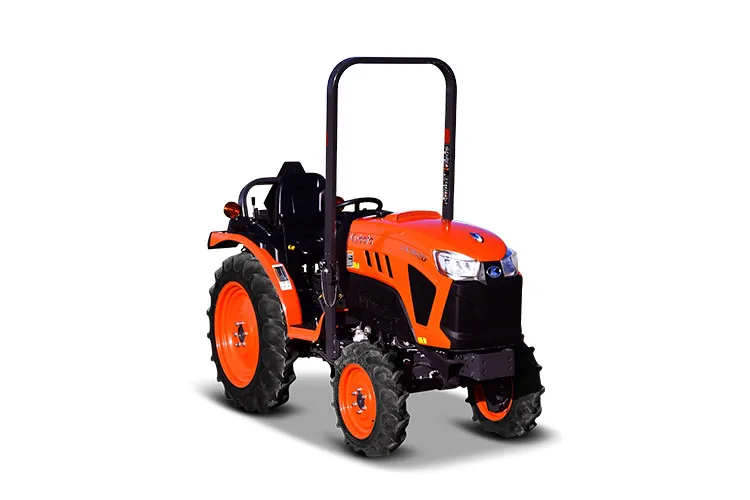
Where the LX range stops being a big sub-compact and starts being a small compact: the turbocharged V1505 replaces the LX2620's naturally aspirated D1305, PTO output jumps from 19.4 to 28.7 hp, and the bigger LA545 loader comes with it. ROPS, value-spec SU and factory cab builds are all offered.

Spec sheet & owner notes
Kubota L3770
~$31,829MSRP, base build
CompactSeries photo

Kubota

Kubota L3770

37 hp engine · 28 PTO−24% to the shaft
Loader
1,726 lbs
3-pt
2,646 lbs
Trans
Hydrostatic
Drive
4WD · cab

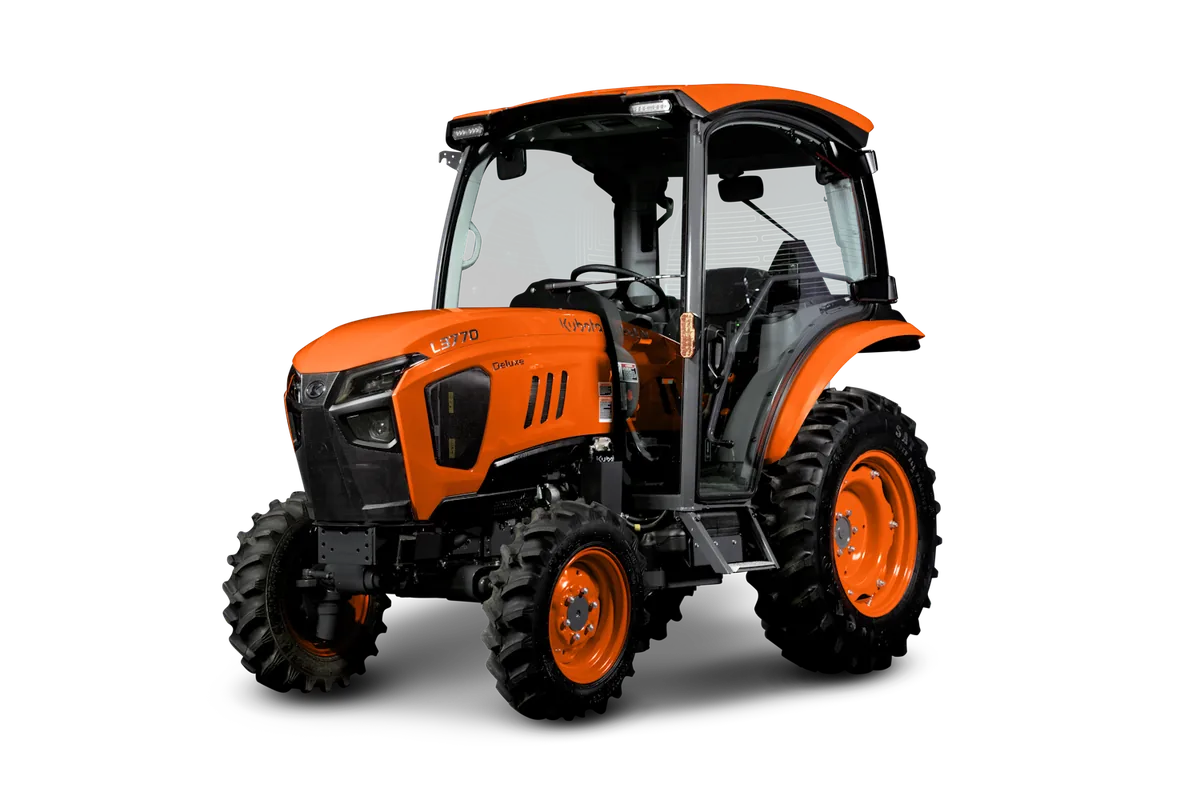
Entry to the Grand L70 generation that replaced the Grand L60 in 2025, and one of only two in the range built to Deluxe rather than Premium trim. The naturally aspirated D1803-CR-E5 keeps it simple where the four models above it are turbocharged.

Spec sheet & owner notes