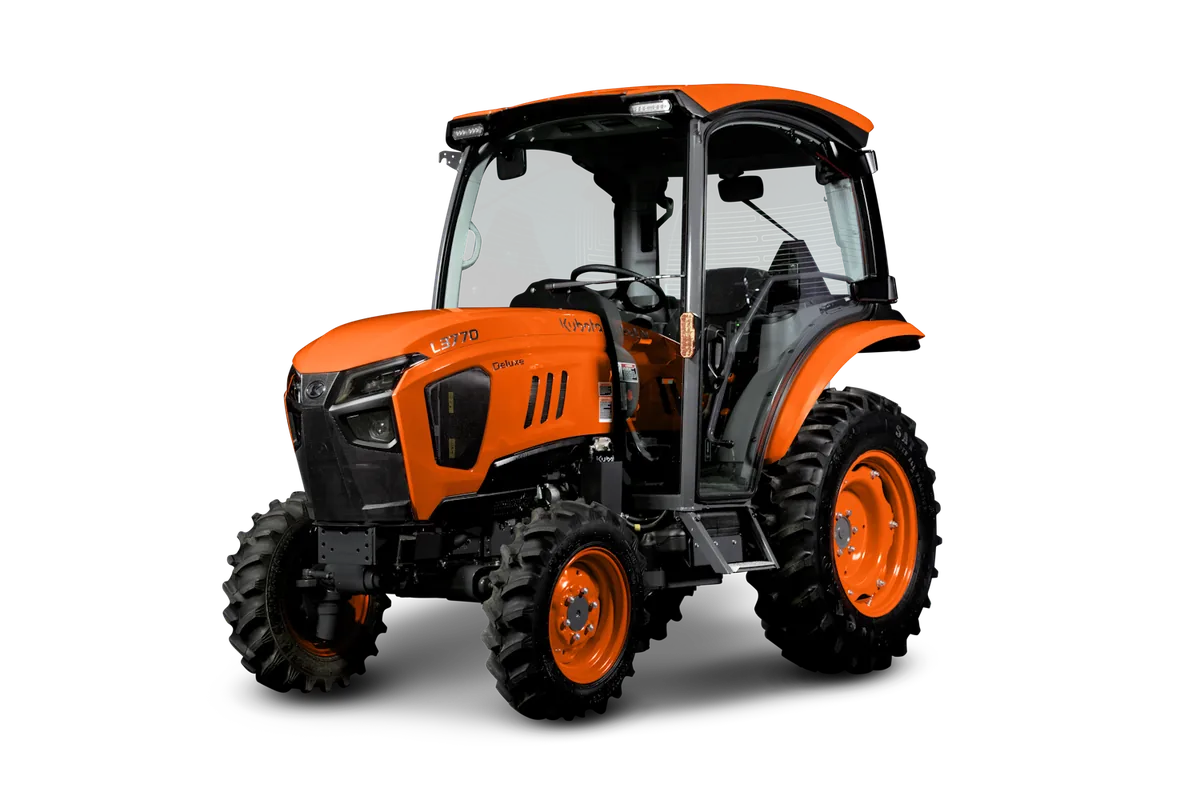
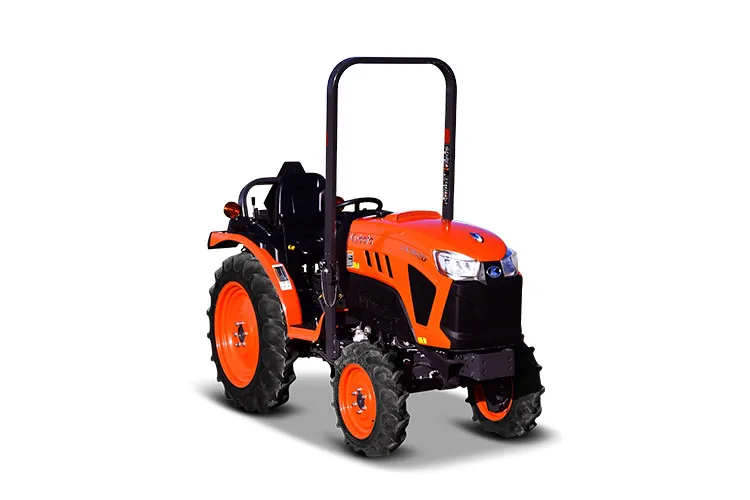
The LX4020 is the hardest machine in this range to write about honestly, because the owners who talk about it most are the ones having trouble with it. A buyer who drove three hours to find one catalogued his handover: missing paint and hammer marks where the loader frame had apparently been persuaded into place, loose fittings and a missing return line leaking oil from a rear remote, a parking brake needing adjustment and cruise control that did not work. Another describes a few months and sixty hours producing a hydrostatic fault, dead glow plugs, exhaust parts, a coolant leak, missing bolts and a sticking third function, and calls it a lemon. A third owner, who has several Kubotas and keeps returning to the subject, reports a long warranty list around a hundred hours and says his older B-series has been faultless by comparison. Treat the volume of complaint carefully - some of it is one person writing repeatedly - but three separate accounts of build-quality problems on a machine this new is a pattern worth knowing about before you sign.
What owners like is the size and the snow performance. One in northern Vermont runs the LX2980 front blower with a hydraulic chute on a long hilly gravel drive and says he does not miss the loader, keeping the subframe fitted and swapping the blower for pallet forks when something needs moving. Another calls it about the best snow removal machine on the market, with the caveat that so is his 1970 garden tractor with a blower, which is a fair reminder that snow does not demand much horsepower. The loader is the familiar LX complaint: one owner says he loves everything about the machine except the loader, which is simply not strong enough for what he wants, and he could not stretch to a Grand L with the cab he needed.
Buyers cross-shopping it should also know it has been hard to get and hard to sell. There are reports of a dealer-described nationwide shortage, one buyer travelling three hours to find stock, and separately an owner who traded his in and found dealers uninterested, took a significant hit on resale, and was told by consignment sellers that it is a difficult model to move. None of that says the tractor cannot do the work - it is fast, well sized and capable - but it does mean checking the specific machine over carefully at handover and pricing the alternatives properly.
Are the build quality complaints real?+−
Real enough to inspect carefully, though the picture needs care. Separate owners describe a badly set up machine at handover - loader frame not lining up, hammer marks, loose fittings and a missing oil return line, parking brake and cruise control not working - and another reports a long warranty list inside sixty hours. Some of the loudest commentary comes from one owner writing about the same machine repeatedly. Whatever the true rate, the sensible move is to go over the specific tractor thoroughly before taking delivery and to ask about outstanding service bulletins.
Is the extra horsepower over the LX3520 worth it?+−
For snow, owners say barely. More than one points out that thirty horsepower already runs a large blower comfortably, so the step from 35 to 40 changes little. Buyers who chose the LX3520 cite price and availability and say the horsepower difference did not matter to them. Where it does matter is PTO-hungry work like a wood chipper, or if you simply want the faster travel speed. Loader capacity is identical either way.
Cab or ROPS on the hills?+−
Prospective buyers ask this constantly and owner answers are thinner than you would like. What does come through from the wider LX range is that the cab is not dramatically tippier in practice, that filled tires and the oversized R14s matter far more than the cab does, and that a cab is a liability in the woods where branches meet glass. If you spend half your time mowing and clearing woodland edges, the tree question is the one to weigh.
How does it do pushing snow?+−
Better with a blower than a blade. Owners report the front end is light and the wheelbase short, so a pusher shoves the tractor around when you are not going dead straight, and chains do not fix it - running the blade in float so its weight rides on the ground, or adding a front weight box, is what helps. Front-mounted blowers on a subframe get much warmer reviews, including from an owner on a long hilly gravel drive who prefers it to driving in reverse with a pull-type blower.
Will it hold its value?+−
On current evidence, less well than you would expect from the brand. One owner who traded out of his found local dealers uninterested in taking it, sold it privately at a significant loss, and reports being told by people who sell on consignment that it is a hard model to move. That is a single owner's experience, but it is worth asking your dealer directly what they would give for one before you buy.
Summarised from public owner discussion, not from testing. Nothing here was measured by this site, and a report that recurs is not the same as a defect rate.