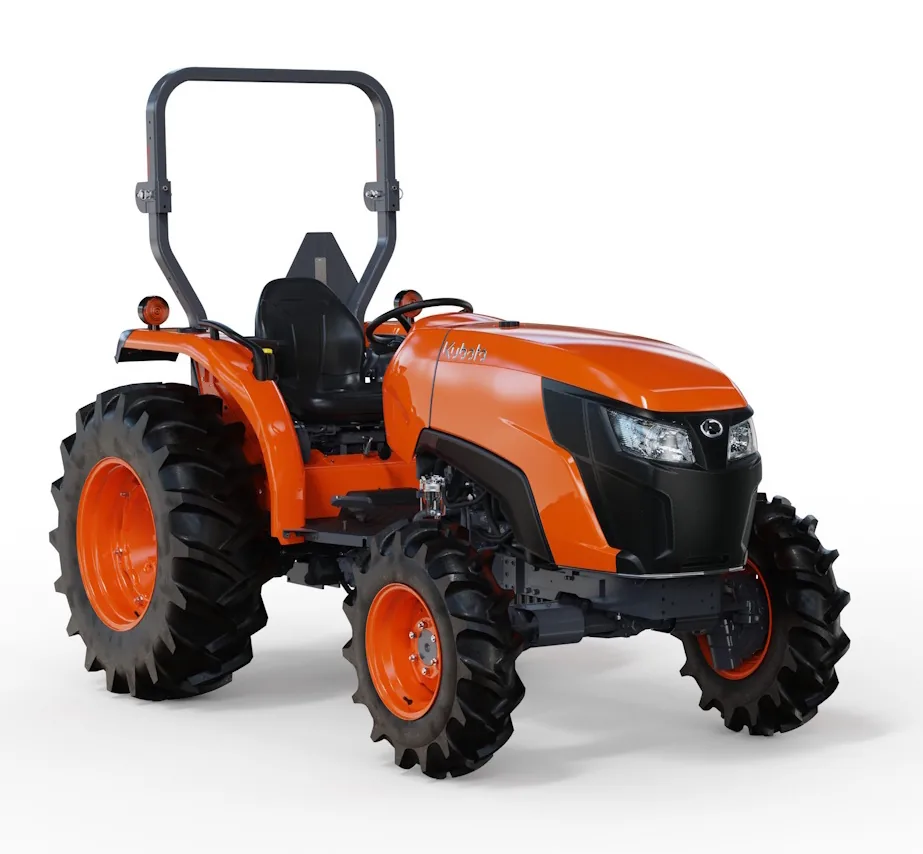
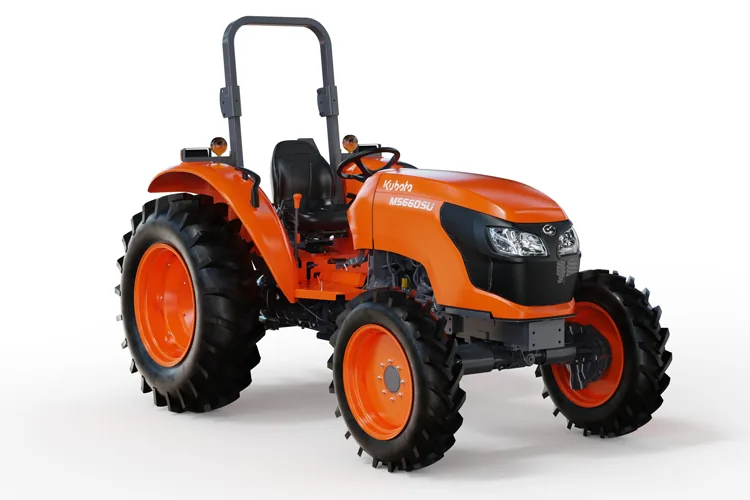
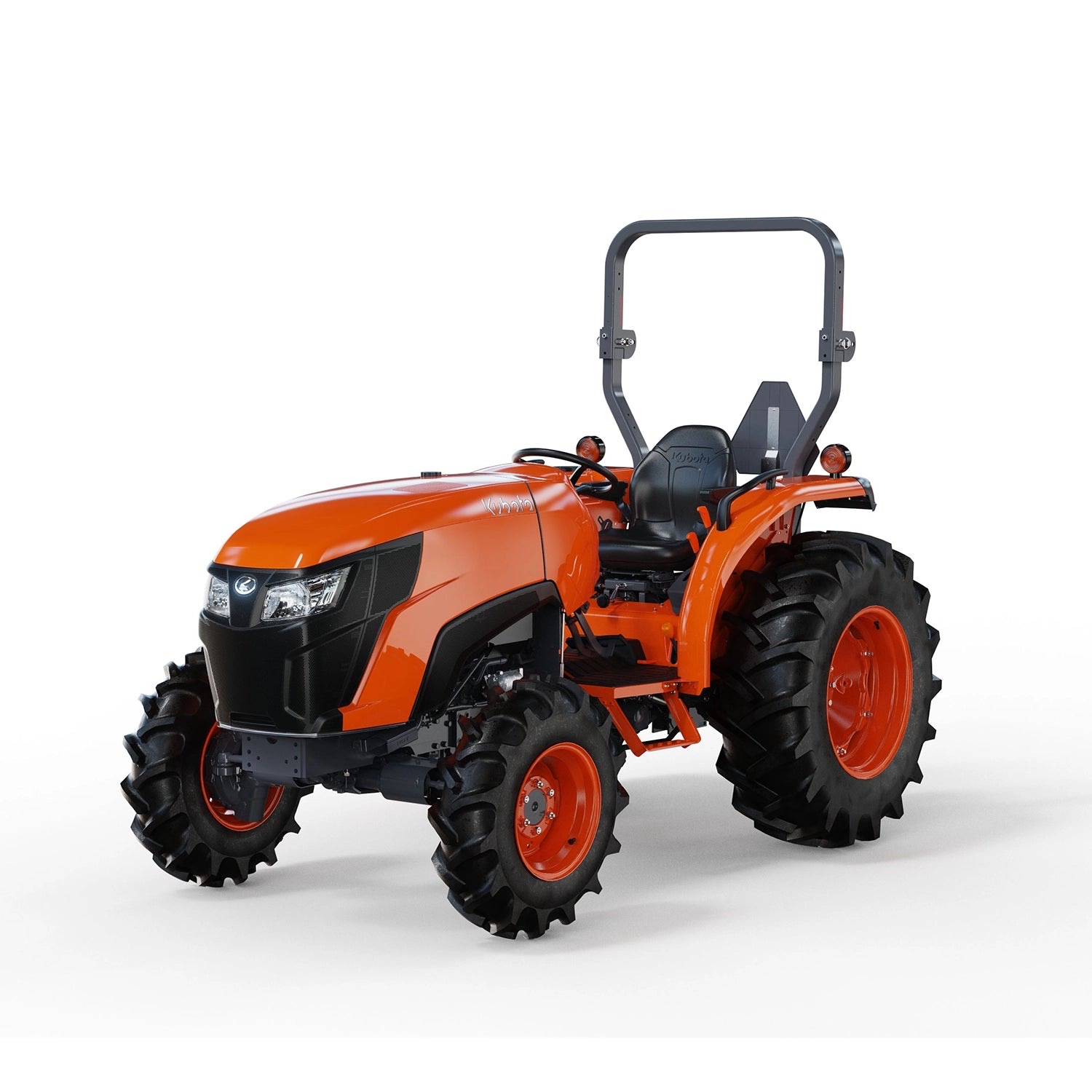
This model arrived recently enough that the discussion around it is mostly about what it displaces, and the answer owners keep giving is the L4802. Several independently argue that the MX does everything better for a small premium and that the L4802 no longer makes sense beside it - one L4802 owner who bought just months before this launched says outright that he wishes he had waited, having moved a number of large round bales with his and concluding he would not want to handle large squares regularly. The technical argument one buyer makes is the most useful version of it: the comparable L is a non-turbo three-cylinder while this is a turbocharged four, so it makes its power while working the engine far less, which he takes as a durability advantage, and he rates the MX three-point as both stronger and easier to adjust. Comfort is the other reason people cross over, and it is not a small one - a six-foot, 250-pound buyer coming off a 65-horsepower utility tractor found the L genuinely uncomfortable, banging his knee on the steering wheel every time he used the pedal and cramping his hip from holding his leg at an angle, while this one gave him ample legroom and a higher view. He bought it mainly for the fit.
Owners who have them are enthusiastic, and specific about what changed. One who traded a 28-horsepower L2800 on eleven acres in Texas says it is emphatically not overkill and simply does not bog down in normal work the way the smaller tractor did. Another on 111 acres bought for snow, clearing and light agricultural work is thankful for two decisions: sizing up to this, and taking the cab rather than the open station, because plowing through a storm at six degrees in nothing but a sweater justified the cost. That cab is around $10,000 though, and another owner weighing the same choice decided he would rather be outside and spend the money on implements. Implement sizing advice is precise: the rule of thumb owners pass around is a foot of brush hog width per five PTO horsepower, and an owner running a 6-foot cutter says it does a good job but needs low range, second or third gear, for clean results in heavy grass.
Two cautions deserve weight against all that. The first is ground pressure, and it comes from someone who loves the machine: he would go smaller if starting again, because after twenty-five straight days of rain he had not moved the tractor since October, sinking three inches anywhere he drove. Being able to pick up a literal ton or a thirty-foot tree is wonderful, he says, and being unable to use the tractor because it rained in the past week is not. The second is the Category II hitch that the spec sheet sells as an advantage. An owner who traded an L2501 for one found his existing Category I cutter and box blade needed sleeve adapters that are not long enough to stay put, and that they seize onto the pins so thoroughly he takes a small sledgehammer to them at every implement change.
MX4900 or the L-series 48-horsepower machine?+−
Owners lean to the MX and give consistent reasons: more lift capacity, a stronger and more easily adjusted three-point, and a turbocharged four-cylinder rather than a non-turbo three, which one buyer reads as the engine working less hard for the same output. Most pointedly, an L4802 owner who bought just before this model appeared says he wishes he had waited. The L's remaining arguments are price, a slightly smaller footprint, and that it is genuinely capable - nobody calls it a bad tractor, only a harder sell at similar money.
Is it too much tractor for five or ten acres?+−
The size itself is usually fine - owners on eleven and fifteen acres report it being right rather than excessive. The problem is ground pressure. An owner who loves his says he would go smaller if starting over, because after a wet spell he sinks three inches wherever he drives and simply stops using it for weeks at a time. If your ground stays soft or you have no dry season, weigh that above horsepower, and consider that the same owner would have chosen a small skid steer and a mini excavator instead.
Will my Category I implements fit the Category II hitch?+−
They will, with sleeve adapters, but plan for the annoyance. An owner who came from an L2501 reports the sleeves being too short to stay properly seated on the hitch, and seizing onto the pins so firmly that he uses a small sledgehammer at every implement change. Owners in that position start looking at drilling implements out for Category II pins or fabricating longer sleeves, so if you own a lot of Category I gear, factor this in rather than treating the bigger hitch as a straight upgrade.
What size brush hog should I run?+−
The rule of thumb owners use is roughly a foot of cutter width per five PTO horsepower, which puts a 6-foot hog about right here. An owner running exactly that, on a gear model, says it does a very good job but that clean results in heavy grass and brush mean low range in second or third gear - slow going. His own conclusion is that a slightly narrower cutter would let him work faster, cutting less per pass but covering ground quicker.
Should I pay for the cab?+−
It depends entirely on whether you work in winter. An owner on 111 acres who plows snow calls taking the cab one of his two best decisions, describing storm work at six degrees in just a sweater as worth every penny. An owner weighing the same choice put the cab at about $10,000 and decided against it, reasoning that he enjoys being outside and is not on the machine for eight-hour stretches. Plowing and long hours push you towards it; occasional summer work does not.
Summarised from public owner discussion, not from testing. Nothing here was measured by this site, and a report that recurs is not the same as a defect rate.