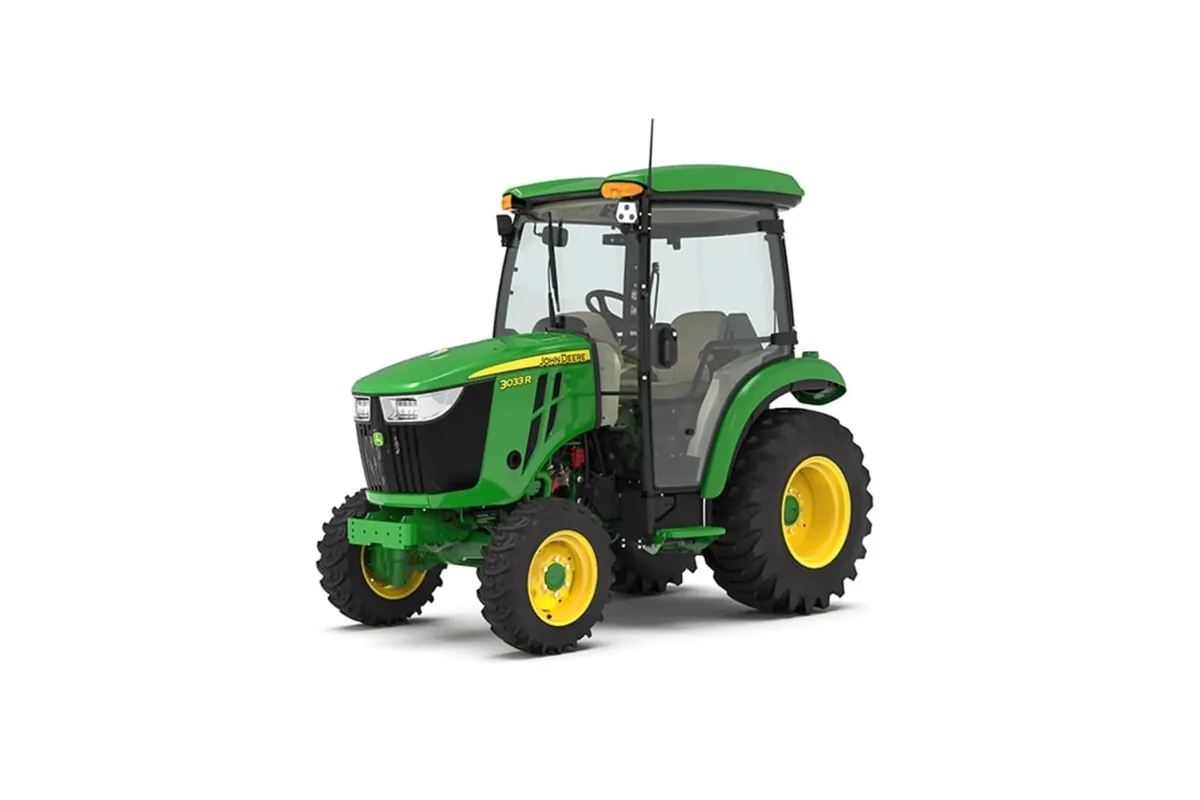
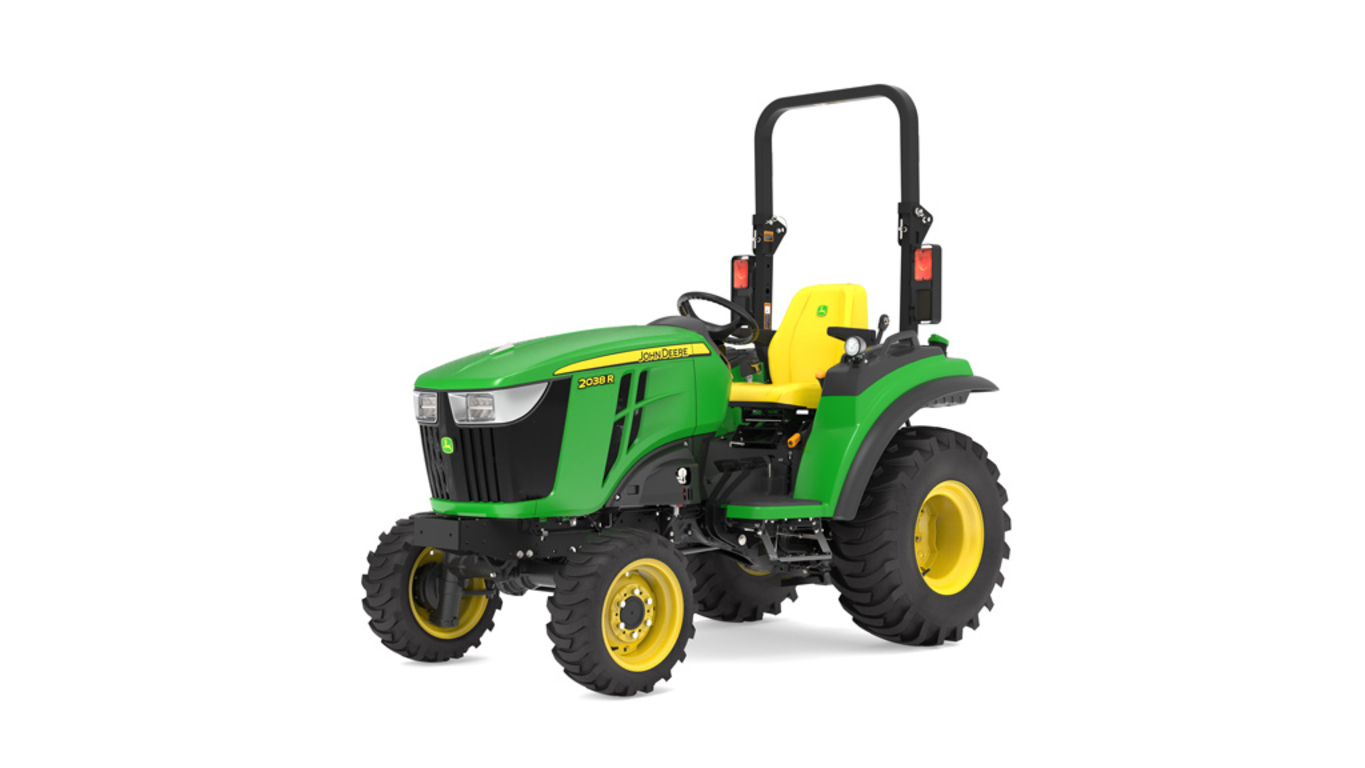
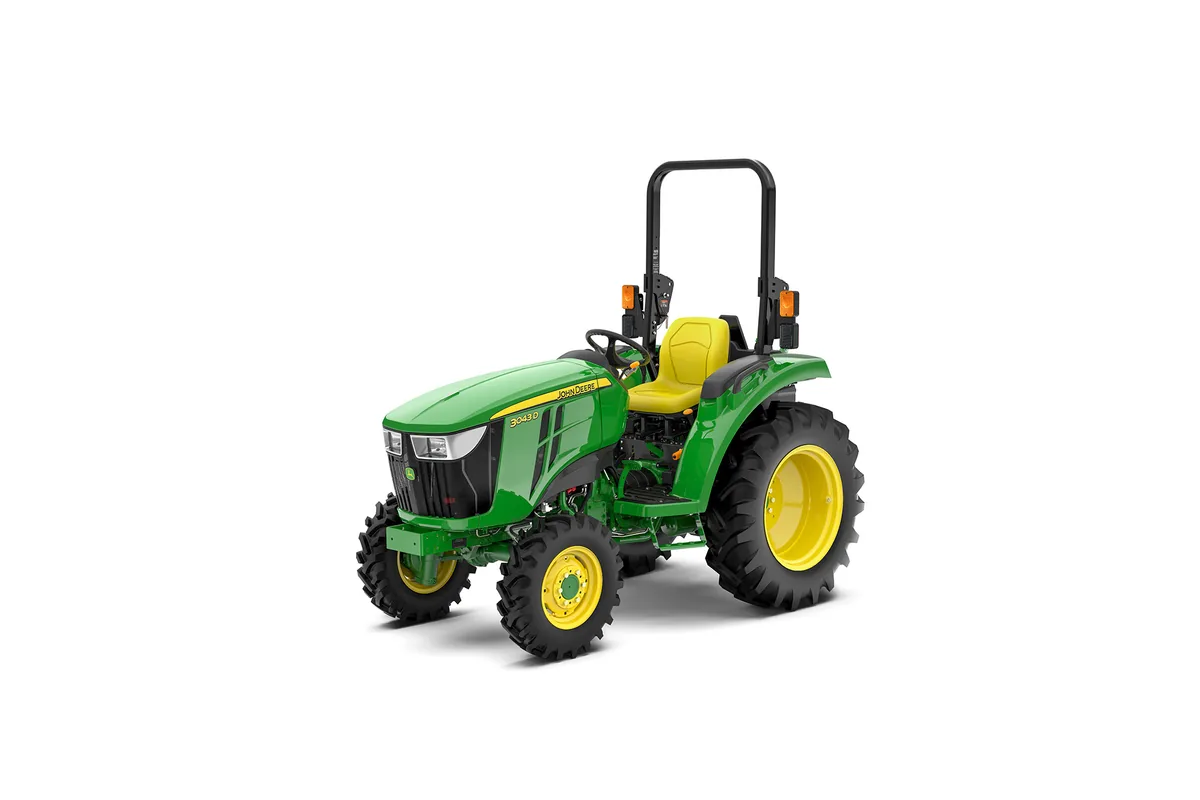
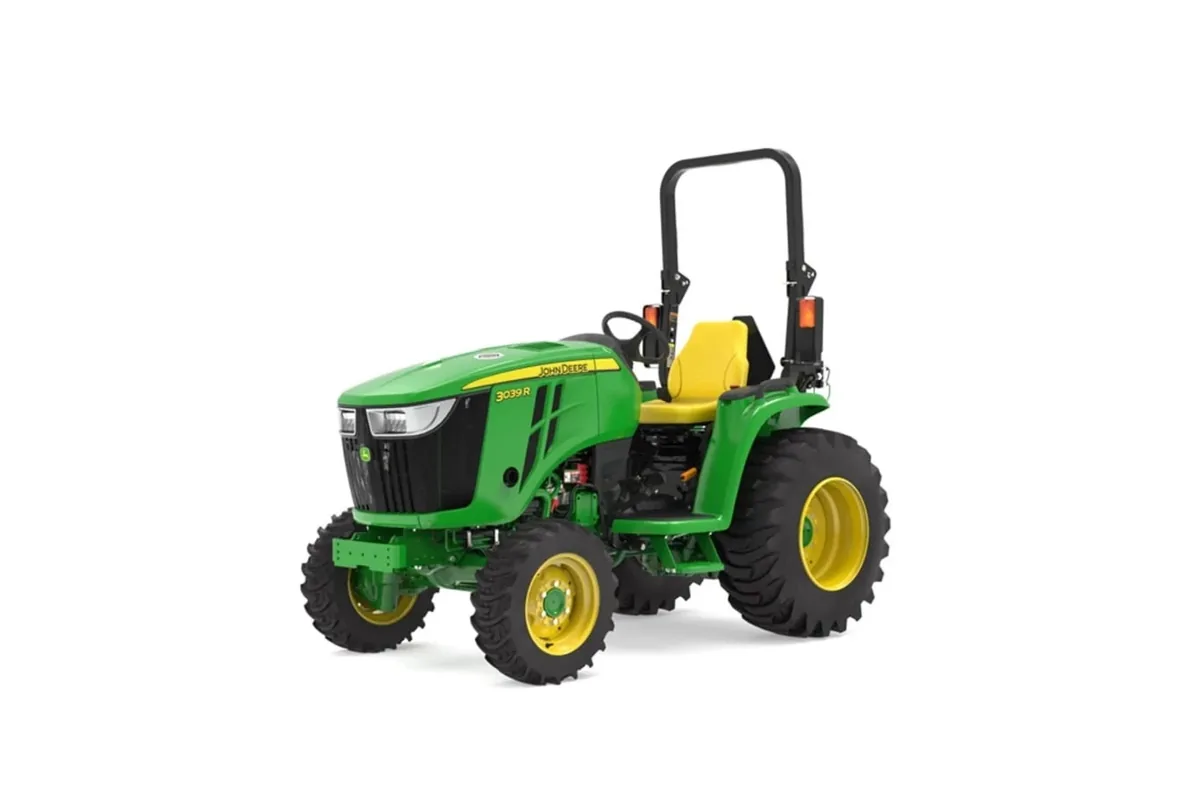
Owners on five to seven acres are genuinely fond of this machine - one uses his almost daily with a heavy bucket, straight blade, box blade, pallet forks and bush hog, and another on five wooded acres doing driveway grading, firewood and drainage says the only time he wanted more tractor was shifting stumps an excavator had left behind, and he managed those with some creativity. One reports 360 hours in two years without an issue. Push it towards bigger work and the advice changes fast: owners weighing it for 30 to 40 acres with 750 to 1,000 lb round bales are told it will be at its limit and pointed at a used utility tractor instead, and while it will handle light dry 4x4 or 4x5 bales, owners say the next size up is far more comfortable with anything over half a ton. One owner clearing woods and moving gravel says it holds up fine but takes much longer than a skid steer would, and suggests buying a used skid steer for the heavy establishment work and a tractor afterwards.
The sharpest practical report concerns winter. An owner in his third season plowing a parking lot, running a rear snowblower and a front pusher with liquid-filled tires, finds it struggles in deeper snow, cannot get going up a slight grade with a full pusher, and has his front wheels lifting constantly so that steering while pushing becomes almost impossible - he was looking at a front weight bracket and around 420 lb of weights to fix it, and says in hindsight he would have bought a 4-series. Price is the other running theme, and it cuts both ways. One shopper found new examples quoted north of $50,000 with cab and loader while a comparable Kubota came in far cheaper, and used ones at $24,000 to $28,000 that were seven to ten years old with 1,500 hours and rusty. Another buyer reached the opposite conclusion from the same facts: after months of watching 15-year-old Deeres sell for their original new price, he simply bought new and calls it money in the bank.
Why does the front end lift when I plow snow?+−
Because rear ballast alone works against you on a front pusher. An owner running a rear snowblower and liquid-filled tires reports the front wheels rising constantly under a loaded pusher, making steering nearly impossible and leaving him unable to climb even a slight grade in deep snow. His intended fix is front weight - a bracket plus around 420 lb - rather than more at the back. If heavy plowing is the main job, owners who have done it say a 4-series is the better starting point.
Will it move round bales?+−
Light ones only. Owners report it handling dry 4x4 or 4x5 round bales, but say that for anything over 1,000 lb the next size up is far more comfortable and safer. The advice that comes with it is emphatic: follow the ballast guide in the loader manual and do not let anybody talk you out of it, using some combination of liquid ballast, wheel weights and three-point weight, because bales are heavy enough to be genuinely dangerous with a light back end.
Is it enough tractor for 30 or 40 acres?+−
Owners think not, if the work includes bales, logging roads and clearing. Responses to exactly that plan were that it would be pushed to its limits, with a used 5-series Deere or a Kubota utility tractor suggested instead - the reasoning being that utility tractors give you more weight, horsepower, lift capacity and width for the same money, at the cost of the refinements. On five to fifteen acres of mixed work, owners are happy with it.
Should I add the backhoe?+−
One owner who bought his intending to add one later concluded he never needed it: a plow and a shovel covered his trenching, and for anything genuinely big he can rent a full-size excavator for the day. Given the cost of a factory backhoe on a machine at this price, that is the calculation worth doing before you commit - particularly since owners note the hydraulic flow here is what makes a backhoe workable in the first place, so the capability is there if you change your mind.
Summarised from public owner discussion, not from testing. Nothing here was measured by this site, and a report that recurs is not the same as a defect rate.